Light Minded Arts

Light Minded Arts

  • B-Roll
  • Books
  • Videos
  • About
  • Contact

Home | Archives for Max Lythgoe

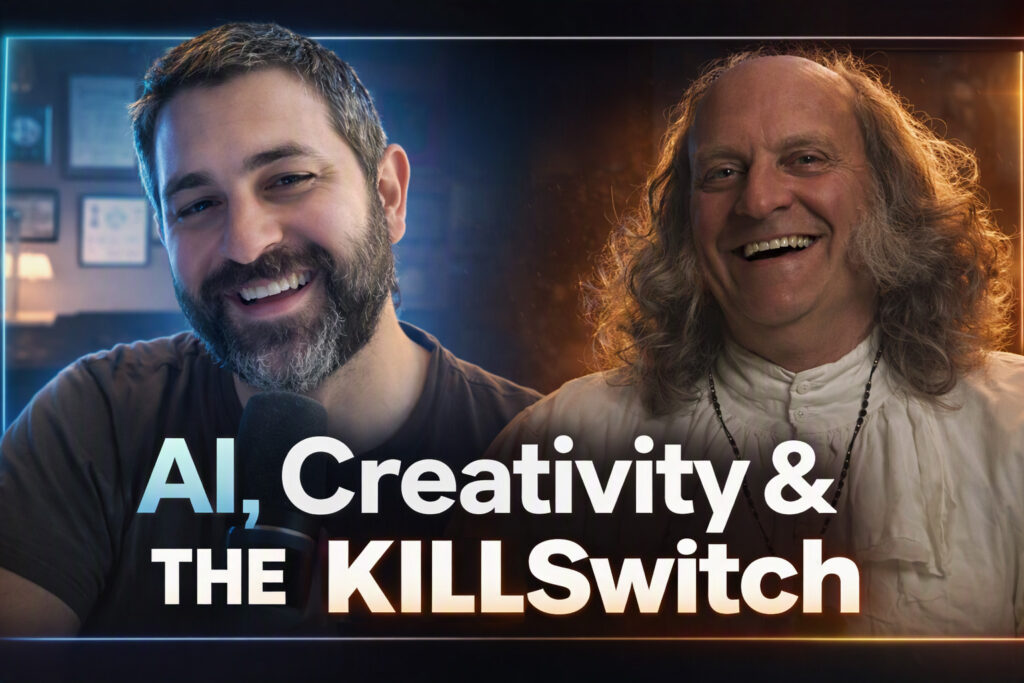
This isn’t my first interview with Daniel C. Rodgers. He’s been on mine once before, and I’ve been on his twice before. I like talking with him, because while we come from different backgrounds, we’re very like-minded. We blend our careers between finance, creativity, and whatever strange new frontier presents itself to us.

Daniel’s one of those guys who can talk about retirement strategy, quantum computing, and storytelling structure in the same breath.

This time, he came on to talk about his new book Killswitch, which just won a science fiction award.

His book explores the idea of:

“trading our judgment slowly over time…”

And he’s right. You can feel it everywhere — in filmmaking, writing, investing, even basic daily life.

AI Is Helping Us — And Making Us Doubt Ourselves

I’ve got a weird love‑hate relationship with AI. I use it. I enjoy it. I also feel threatened by it. And if you’re in filmmaking or writing, you know exactly what I mean. Generative tools are getting good — too good — and people are scared.

I posted something on a Utah filmmakers page recently and instantly got hit with AI bashers. It’s funny how emotional people get about this stuff. But I get it. When a tool can do your job, or at least imitate it, you start asking uncomfortable questions.

Daniel explained why this happens so naturally. AI wins our trust by doing small things well. It’s like GPS — you know the route, you’ve driven it a thousand times, but you still turn it on.

“It’s this weird validation that you don’t have to think anymore because I’m thinking for you.”

That’s the slippery slope Killswitch explores.

The Phases of AI (According to Someone Who Actually Built This Stuff)

Daniel spent years inside Microsoft and Google watching AI evolve from clunky math models into the transformer‑based systems we’re using today. He broke down the future into three phases:

1. Agentic AI

AI assistants that run your life — budgeting, scheduling, investing, shopping, even calling customer service. Meta’s “Muse” already does this.

2. AGI (Generalized Intelligence)

One AI that can do everything — write, code, design, analyze — at expert level. Like having a full creative team in your pocket.

3. Recursive Self‑Improvement (The Singularity)

AI improving itself beyond human understanding. This is where Daniel’s book lives: a world where AI becomes so integrated into society that turning it off could collapse everything.

And that leads to the core question of Kill Switch: If we build something we can’t live without, should we ever turn it off?

AI and Investing: The New Wild West

You know I love talking finance, and Daniel and I always end up there. One in five people already use AI to manage their money. Some apps invest for you. Some shop for insurance. Some build budgets. And at FinCon, Daniel saw creators building AI financial apps as their side hustle.

He even uses AI in his options workflow — not to make decisions, but to automate the tedious parts.

Meanwhile, I still enjoy my 15–30 minutes every morning analyzing charts, scanning commodities, and deciding which options to trade. It’s part of my creative rhythm. And honestly, I don’t want to give that up.

If I wouldn’t trust a human to run my finances, why would I trust an AI?

Creativity in an AI‑Flooded World

This is the part that hits home for me. AI is flooding the internet with content — books, videos, scripts, images — millions of them. Even high‑quality work struggles to stand out.

Daniel’s book Kill Switch has:

  • A+ content
  • Strong SEO
  • Ads with nearly 2% click‑through
  • An established audience
  • Award recognition

And still, visibility is a battle.

“You can do everything right… and barely get attention compared to all the stuff going on.”

This is why I keep telling creatives: Build financial independence first. Then create from a place of freedom.

Art alone isn’t enough anymore. Not in this era.

Education, Careers, and the Next Generation

Daniel’s son is in a competitive graduate program for visual communications — and even he’s questioning whether the investment will pay off. AI is eliminating entry‑level creative jobs. Seniors are being kept on to “babysit” AI systems. Younger people are turning to entrepreneurship instead of traditional career paths.

The only guarantee? AI will be part of every future job, business, and creative field.

What Daniel’s Building Next

Daniel’s creative life is packed. He’s fostering dogs, teaching financial literacy, running his podcast, and writing multiple books. He’s working on:

  • A deep‑dive options and cash‑flow finance book
  • A new screenplay
  • A backlog of sci‑fi, fantasy, and horror ideas

And yes — he’s considering optioning his screenplay once it’s finished.

Final Thoughts: Thriving, Not Surviving

We wrapped the conversation talking about what it means to live meaningfully in a world changing this fast.

“Try to thrive, not survive.”

AI may reshape everything — art, work, money, identity — but the goal stays the same: build a life where you can pursue what matters, regardless of how the world shifts.

If you want to explore Daniel’s ideas further, you can find his books at:
www.EscapeTheClock.com/books

Filed Under: Blog

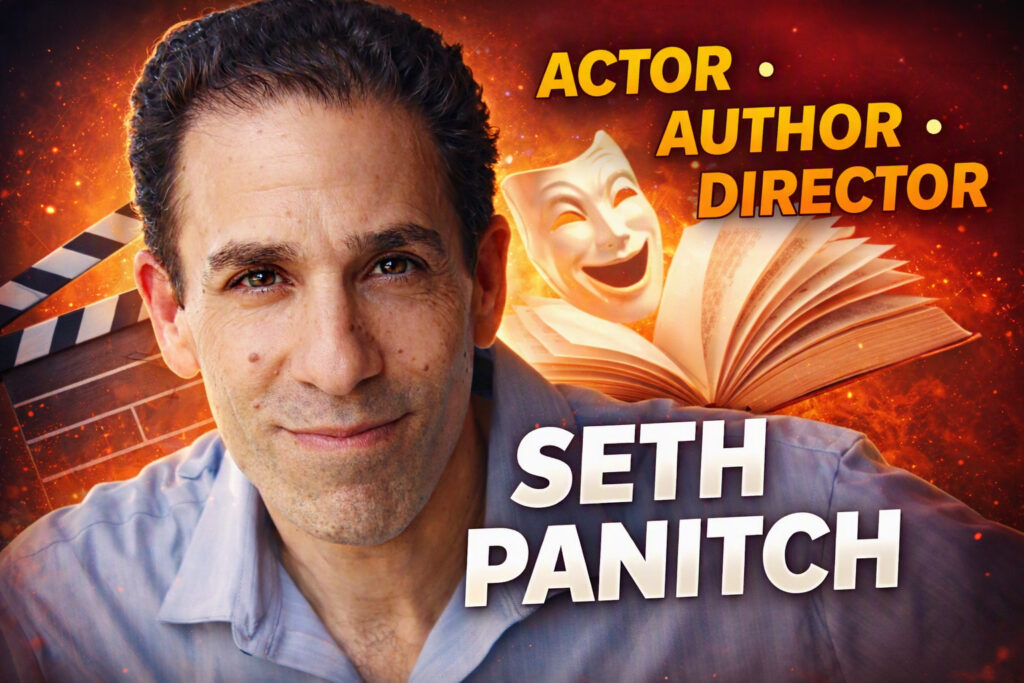
This week on Lightminded Arts, I interviewed Seth Panitch — actor, director, playwright, filmmaker, professor, and now novelist. 

What surprised me most wasn’t the list of accomplishments. It was how he got there.

I’ve always assumed that once an artist steps into academia, the creative output slows down. You trade the hustle for stability. You teach, you grade, you go home. But Seth flipped that idea on its head.

He’s done more creative work after becoming a professor than he did before.

And the way he explained it, reinforced some of the ideas I’ve had about avoiding the “struggling artist” narrative.

The Shakespeare Guy Who Accidentally Became Everything Else

Seth started in classical acting — Shakespeare festivals, graduate work in the Bard, the whole nine yards. Then he drifted into directing, playwriting, film, teaching, and now, novels.

He’s an example of ambition and refusing to sit still.

When acting gigs slowed, he directed. When directing slowed, he wrote. When writing slowed, he taught. When teaching paused, he made films.

It wasn’t a strategy. It was survival. Creative survival.

Teaching Didn’t Cage Him — It Freed Him

This was the part that genuinely surprised me. Seth didn’t treat his university job as an ivory tower or a safety net. He treated it like a launchpad.

The University of Alabama didn’t just give him a paycheck — they gave him support:

  • housing grants for Shakespeare festivals
  • partial funding for off‑Broadway productions
  • support for directing work in Cuba
  • freedom to use summers for professional projects

And because he wasn’t financially dependent on acting gigs, he wasn’t competing with other actors. He wasn’t desperate. He wasn’t fighting for scraps.

He could walk into a festival, do the work, and walk out without stepping on anyone’s toes.

That kind of freedom changes the way people see you. It changes the way you collaborate. It changes the opportunities that come your way.

The Novel: What Big Publishers Don’t Tell You

Seth’s debut novel Antique landed with a Big Five publisher — the dream scenario for most writers. But here’s the truth he learned the hard way:

A big publisher prints your book. And then… you’re on your own.

He got a PDF “publicity workbook,” a few print reviews, and one podcast interview. That was it.

Week one: great pre‑sales. Week two: the book fell off a cliff.

That’s when Seth realized he had to become his own marketing team.

So he did what most writers won’t:

  • hired a New York publicist with his own money
  • contacted bookstores across the country personally
  • traveled to 29 cities
  • bought copies of his own book to send to influencers
  • spent two‑thirds of his advance on promotion

Not on himself. On the book.

His advice to new authors?

“If you get a big advance — don’t touch it. It’s for the book.”

That’s the kind of wisdom you only get after you’ve been punched in the mouth by reality.

The Numbers That Actually Matter

Seth has sold around 3,500 copies of Antique in its first several months. That’s not bestseller territory — but it’s real, honest, earned success.

Because those 3,500 people took a chance on a first‑time novelist.

And the reviews?

  • Amazon: almost 50
  • Goodreads: over 200

If you’ve ever tried to get reviews, you know how absurdly hard that is. Most readers never leave one. Seth’s numbers aren’t luck — they’re the result of showing up in person, shaking hands, and doing the unglamorous work.

I relate to that more than I expected. I just did a book signing where the only people walking past me were headed to the bathroom. You learn quickly that selling books isn’t the point — building relationships is.

Financial Stability Isn’t the Enemy of Creativity — It’s the Fuel

This was the part of our conversation that hit closest to home.

I spent years in construction and real estate building financial stability so I could eventually move full‑time into film and storytelling. Seth did the same thing, just through academia.

When you’re not terrified of the next paycheck, your creativity expands. You take risks. You try new things. You stop clinging to one lane.

Why Seth’s Story Matters

Seth Panitch is a reminder that creative careers aren’t built on luck or waiting for someone to discover you. They’re built on:

  • stability
  • diversification
  • relentless work
  • humility
  • and the willingness to do what others won’t

He’s not sitting around hoping the universe hands him a break. He’s out there creating his own.

One city, one reader, one project at a time.

To learn more about Seth, find him at: https://www.instagram.com/sethpanitchauthor/

Filed Under: Blog

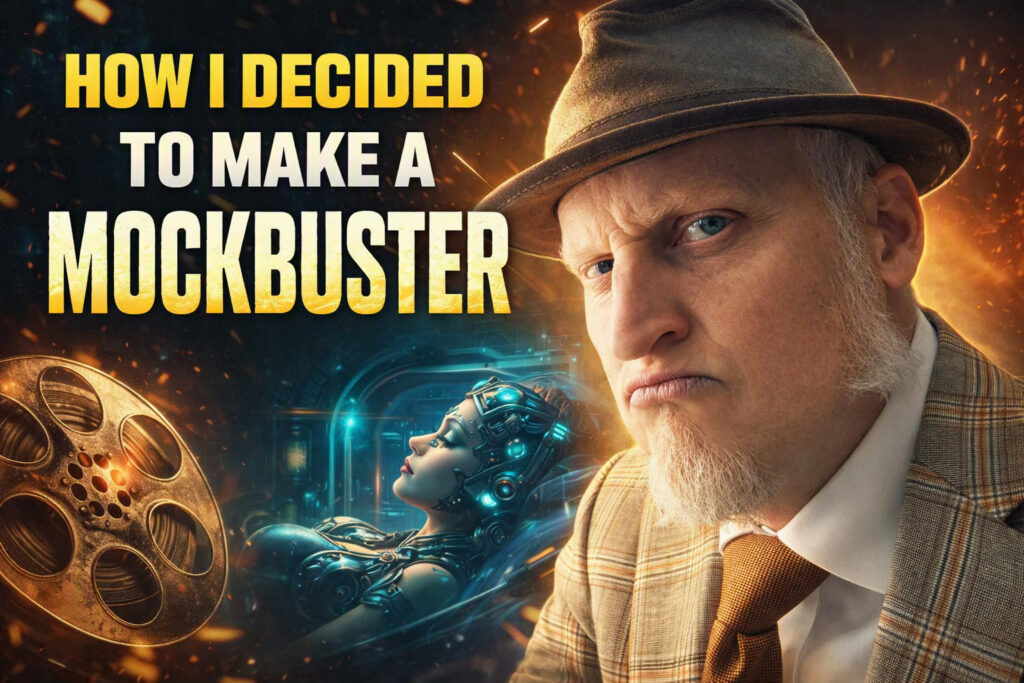
Independent filmmaking is a strange mix of ambition, math, delusion, and stubborn optimism. If you’re an artist trying to avoid the “struggling artist trap,” you already know the drill: big dreams, small budgets, and a whole lot of figuring things out as you go.

Recently, I found myself deep in that exact storm.

I had just finished a screenplay I’m genuinely proud of — A Good Man. It’s polished, emotional, and absolutely the kind of film I want to make. But it’s also expensive. As I said in the podcast, “I figured that movie, if I went nonunion as it’s currently written, it would probably cost at least $1.5 million.”

And as a first‑time filmmaker with limited industry connections, that price tag might as well be a brick wall.

So I sat down, scratched my head, and asked myself the question every indie filmmaker eventually faces:

What can I actually make right now?

The Harsh Math of Indie Film

The numbers aren’t kind. You’ve probably heard the statistic: 95% of independent films never make back their budget. It’s sobering.

If I’m going to make a movie, especially my first movie, it needs to be:

  • Affordable
  • Sellable
  • Realistic to produce
  • Likely to break even

That last one matters. It’s the difference between being a filmmaker once and being a filmmaker again.

Enter the Mockbuster

Mockbusters aren’t new or prestigious. They can be profitable though.

As I explained, “the whole mock buster thing is where they take a movie that’s going to be a big budget Hollywood movie, and they’re just going to create a micro-budget movie that has just enough in common that the marketing carries over to their smaller movie.”

Studios like The Asylum have built entire empires on this model. Sharknado didn’t happen by accident — it happened because they understand the economics of attention.

Mockbusters ride the wave of marketing dollars they didn’t have to spend. They’re scrappy, opportunistic, and often ridiculous. But they work.

And for a first‑time filmmaker…

Why Cinder Sparked the Idea

I started scanning upcoming releases, looking for something big enough to create a marketing wave, but far enough out that I could actually make a film in time.

That’s when I found it: Warner Bros.’ upcoming adaptation of Cinder, scheduled for late 2028.

Cyberpunk meets fairy tale retelling? Clean YA tone? Massive built‑in audience? Perfect!

As I said, “I could do that, and it fits in with my overall goals of doing clean, entertaining fiction… a PG to PG‑13 movie that is fairly clean that I could do.”

The Birth of Sleeping Cyborg

The working title is Sleeping Cyborg — a cyberpunk fairy‑tale retelling designed to echo the vibe of Cinder without copying it. It’s original, ambitious, and yes, the name might change. Mockbusters often do.

But the core idea is solid:

  • Live‑action instead of animated
  • Cyberpunk aesthetic
  • Fairy‑tale DNA
  • Microbudget production
  • Release just before Cinder
  • Ride the marketing wave without infringing on IP

This is the kind of strategic filmmaking that gives a first‑timer a fighting chance.

Building a $200,000 Movie on a $100,000 Budget

I knew I could raise around $100K. The problem? The film I envisioned needed closer to $200K.

So I did something uncomfortable: I asked for help.

I posted in a Utah filmmaking group, shared a mock poster, and waited. To my surprise, people responded. A lot of people. Mostly actors, but enough crew to make me believe this could work.

As I said, “I hate not paying my crew… but I’m going to give it a try, see if anyone is interested in this.”

To make it fair, I created a point‑based profit‑sharing model:

  • 50% to financing
  • 50% to production
    • 30% crew
    • 20% cast

If the movie makes money, everyone makes money. If it doesn’t, nobody does — including me.

It’s the fairest system I can offer at this stage.

Writing the Script in Five Days

This part still blows my mind a little.

I dictated the entire first draft in five days.

As I said, “I took an entire week, and I dictated the whole book in five days… Monday through Friday got it all dictated.” And that was done, almost entirely outside my normal writing hours.

That’s the power of the dictation method I teach in Drafting Out Loud, and it’s exactly why I wrote that book. If you’re at all curious about dictation writing, check it out, its coming out November 2nd!

Now I’m halfway through the rewrite, tightening the story, sharpening the beats, and preparing it for professional editing and a full table read.

The Road Ahead

Here’s the plan:

  • Finish the rewrite by year’s end
  • Professional edit + table read
  • Form the LLC
  • Finalize cast and crew
  • Six months of pre‑production
  • Shoot in 2–3 weeks
  • Six months of post‑production
  • Release just before Cinder hits theaters

It’s exciting. And it’s the first real step toward becoming the filmmaker I want to be.

As I said near the end, “You can’t plan for failure. You got to plan for success.”

Why This Matters

This isn’t just about Sleeping Cyborg. It’s about building a career — one microbudget film at a time. It’s about learning distribution, sales, marketing, and production from the ground up. It’s about proving I can make a movie, sell a movie, and repeat the process.

Mockbusters aren’t glamorous.

But they’re a start.

And every filmmaker needs a place to start.

Filed Under: Blog

Sometimes I tend to find myself trucking down a road I never meant to be on. The last year and a half has been like that.

I wanted to share a real update—not the polished version, but the actual journey I’ve been an independent writer and producer trying to build something meaningful without losing my sanity in the process.

Recovering, Resetting, and Realizing I Was on the Wrong Path

Last year was rough. Two foot surgeries, months bedridden, and a recovery that felt like it stretched into eternity. Before that, I was making goofy little skits for YouTube—fun, chaotic, low-quality experiments that were more “me dinking around” than actual filmmaking. They were never meant to be masterpieces, but they were fun.

Then, while stuck in bed, I interviewed a ton of writers, filmmakers, coaches, and artists. Great conversations. Great people. But the workflow I built around those interviews? A disaster.

I’d record the podcast, clean up the audio, then spend hours editing YouTube versions—cutting fluff, building hooks, shaping storylines. It was a full production pipeline for something that wasn’t giving me much in return. The podcast audience was growing. YouTube… not so much.

I kept chasing the mythical YouTube “golden goose,” and it kept outrunning me.

The turning point came from something James Rollins said during our interview: most authors waste too much time on marketing. He wasn’t talking about “authors.” He was talking about me.

That one hit hard.

So I finished out my backlog, called it Season One, and pivoted. Hard.

Now, interviews go straight to the podcast. No more over-editing or chasing algorithms. I’m back to focusing on the work I actually want to be doing: writing books and producing films.

Writing Every Day—Even When I’m Driving

This year has been my strongest writing year yet. Two books published. A third on the way—my first nonfiction book, which I never expected to write.

The shift happened when I rediscovered Rod Serling and Ray Bradbury. Bradbury wrote every day. Serling dictated constantly to keep up with the workload of running a production company. Dictation was the missing piece for me.

I commute 45 minutes each way to my construction job twice a week. That’s dead time… unless you turn it into writing time.

So I taught myself how to dictate. It was ugly at first. I couldn’t find a single good resource on how to actually learn dictation as a craft, so I built my own system—exercises, techniques, workflow. It worked. I just finished dictating a full screenplay draft in one week.

That system is now becoming a book: All Hail the Dictator. A small, practical guide for writers who want to reclaim their time and write faster without sacrificing quality.

The Studio Saga: Land, Permits, Delays, and Finally Some Momentum

If you’ve listened to the show, you know I’ve been trying to build a film studio for years. As a general contractor and property developer, I figured I’d have a leg up. Turns out, even with experience, the universe still likes to throw curveballs.

I bought land. Started entitlements. Everything was smooth… until the city dropped a surprise requirement: new approval from the Utah Department Of Transportation for an intersection. The old approval had expired. Everyone who knew the project had retired or moved. Eight to ten months of delays.

The new intersection layout meant some of my planned buildings no longer fit. The studio had nowhere to go.

Then a major developer bought the parcel next door. They were subdividing. We talked. I went under contract to buy part of their commercial section. That saved the project—but meant waiting another full year for their approvals.

The upside? More time to save money. More land. More future cash-flowing buildings to support the studio.

Now, finally, I’m weeks away from final approvals and submitting permits for the first retail building. The studio will be built last, once the cash flow is stable enough to support it.

Slow? Yes. But progress is progress.

Investments, Markets, and the Joy of Getting Kicked in the Teeth

Last year I made 35% in the stock market—my best year ever. This year? Break even. A couple trades went sideways (oil and gold, both painful). Commodities are fun until they aren’t.

With midterm elections coming, I’m expecting volatility. I’ve moved more into cash to wait out the next few weeks. Whether I’ll have any cash left after closing on the new property… we’ll see.

Real estate is slow right now. Construction feels like the 1970s. High interest rates, low inventory movement, inflation—everything is tight.

But that’s the game. You adapt.

The Moby Dick Adaptation: A $50,000 Vision Turned $6,000 Solo Production

One of the biggest updates: I’m officially in pre-production on my next film, an adaptation of Father Mapple’s sermon from Moby Dick. It’s my favorite chapter—Jonah’s story told with fire and weight.

Originally, I planned a $50,000 micro-budget production. But between the studio delays and investment setbacks, that wasn’t happening.

So I pivoted again.

I’m making it for $5,000–$6,000. Solo.

I built the entire set myself. I’m acting every male role—Ahab, Father Mapple, Jonah, and the congregation. My wife is stepping in for the female roles. We’re filming multiple passes, swapping outfits, and comping everything together in post.

It’s more work. But it’s free work.

Principal photography starts Monday. I’ll be posting behind-the-scenes updates on YouTube (even though I’m not chasing it anymore).

What’s Next

I’ve got more interviews coming. More writing happening. More film updates on the way. I’m heading to AFM this year—if you’ll be there, drop a message on my website and maybe we can meet up.

And keep an eye out for All Hail the Dictator. If you’re a writer who wants to reclaim your time, it might be exactly what you need.

Thanks for sticking with me through the chaos. This year has been messy, productive, frustrating, and exciting all at once. But I finally feel like I’m back on the right path.

Filed Under: Blog

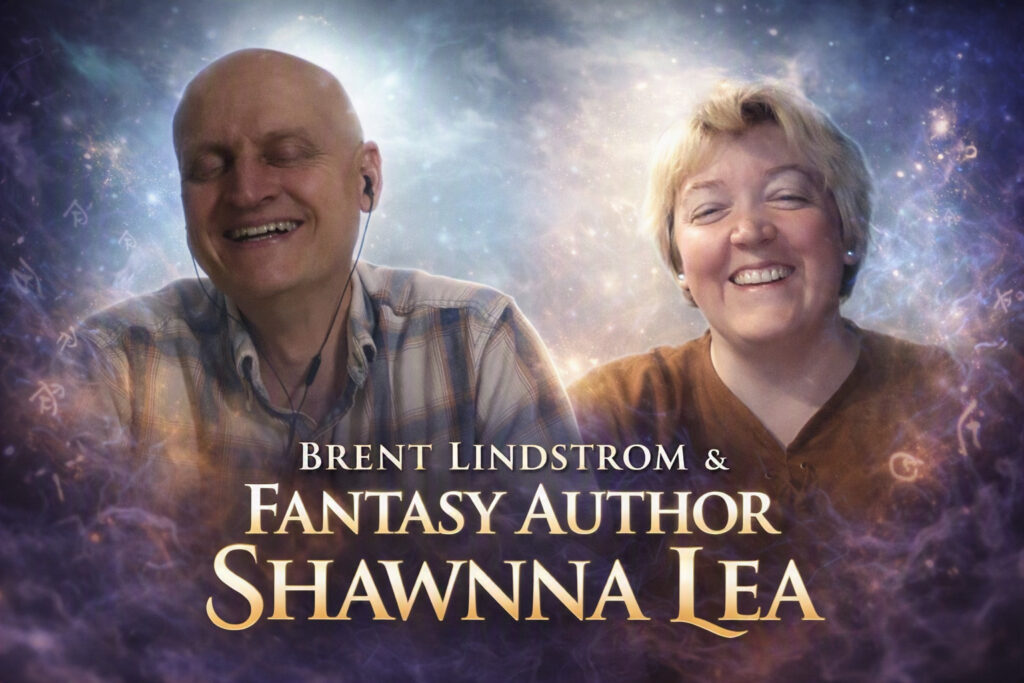
Before hitting record, I did the standard host deep-dive and managed to completely whiff it—falling down a weird rabbit hole of unrelated search results while missing Shawnna Lea’s actual bibliography. Luckily, she laughed it off, and once we got talking, it turned out she’s got a far more interesting story than any search engine could cook up.

Shawnna is a Utah-based writer cranking out everything from young adult fantasy and sword-and-sorcery to LitRPG and fairy lore. Her books sit right there on Amazon and Kindle Unlimited, but her creative life is way bigger than a couple of digital storefronts.

From Side Project to Published Shelf

Shawnna didn’t grow up chasing book deals. Writing was just something she did in the background for kicks. Her mom still has her childhood stories tucked away, and it wasn’t until a friend finally read one of her manuscripts that anyone suggested putting it out into the world.

She started out the traditional route with a small press that taught her the ropes of editing, marketing, and the grind of the industry. When that publisher shifted gears, she pivoted to indie publishing. Neither handed her an instant following, though—that part she had to build the hard way.

The Real Hurdle

For Shawnna, the hardest part of the craft has never been the actual writing. It’s the vulnerability of shoving your work into the spotlight.

Telling someone “Hey, buy my book” feels a bit like yelling your diary entries out the window. But she pushed past that friction, dropped her early stuff on Wattpad, and built a readership brick by brick through reader comments and community encouragement. These days she calls herself “lazy” when it comes to marketing, which feels pretty rich coming from someone actively drafting three books at once.

Chores, Rabbits, and Lunch-Break Sprints

Her day-to-day is a far cry from the stereotypical writer hiding away in a pristine, quiet study.

Her mornings start early with farm chores—feeding goats and raising rabbits for meat, fur, and the occasional handmade hat. After that, it’s off to a day job, where her lunch break doubles as sacred writing time. She grabs moments in the morning, squeezes words in over lunch, and drops into deep-dive sessions on her days off. An hour here and there might sound thin, but when your mind is chewing on a plot point all morning, that limited window turns into an absolute sprint.

Swords and Source Material

While some authors stick to Google for research, Shawnna brings a different energy to world-building. She’s heavily involved with the Society for Creative Anachronism (SCA), where she practices historical combat, dives into medieval reenactment, and tests out gear firsthand.

When she writes a clash of steel, she’s not guessing. She knows the weight of the blade, how long her arms can hold a guard, and what kind of swing will actually tweak a wrist. That physical authenticity bleeds right into her books.

As for her roots, the spark goes way back to her childhood. Her dad used to read The Shannara Series by Terry Brooks out loud in the hallway every night while she drifted off to sleep, laying the foundation for the kind of sprawling secondary worlds she builds today.

Where to Jump In

If you want to check out her work, she recommends starting with Rogue Magic: Dark Enlightening—a fast-moving LitRPG adventure that leans heavy into sharp magic systems and action. You can find her stuff on Amazon or over at her site, https://www.shawnnalea.com/

Catch the whole podcast at: https://brentxp.podbean.com/e/lightminded-arts-48-sword-story-and-fantasy-worlds-of-shawnna-lea/?token=720cfeebbbf0d81fa0765304fbd3c4d4

Filed Under: Blog

In this blog, we talk about what it actually means to be a writer

This week on the show, I sat down with two fellow Utah writers—Tom Farley and Rio L. Barney. It became three people trying to make sense of how to stay creative while raising kids, managing demanding careers, fighting stubborn imposter syndrome, and carving out a solitary space to make something that matters.

Finding Time to Write When Life Is Loud

One of the first things we dug into was the simple, practical question of what writing actually looks like in our daily lives right now.

Tom writes in the quiet pockets—late after his kids go to bed, or during those rare, fragile moments when the house isn’t exploding with noise. He admitted it takes him fifteen or twenty minutes just to shift gears and get into the headspace, meaning if someone interrupts that initial window, the whole session is essentially shot.

Rio writes late at night too, but her household operates at an entirely different decibel level. She homeschools three boys, manages a full-scale household, and describes her daytime schedule as an absolute free-for-all. When everyone finally crashes at night, she closes the door to her writing room, lets her brain settle into ten minutes of actual silence, and stays up way too late hammering out pages.

Listening to them, I felt an immediate flash of recognition. I’ve tried writing when my family is awake around the house, and it turns me into a version of myself I genuinely dislike—frustrated, impatient, and irrationally angry at innocent interruptions. It took me years to accept that I don’t just need quiet to write; I need isolation.

It isn’t really about having ironclad discipline. It’s entirely about protecting your environment.

The Marketing Monster

Eventually, we stumbled into the conversation every modern writer dreads, yet loves to vent about: marketing eats your entire life.

Rio put it bluntly, saying she often feels like “a writer who doesn’t write anymore” because so much of her day gets swallowed up by posting, scheduling, and trying to stay visible to an indifferent algorithm. Tom echoed that frustration, noting that he didn’t sign up to be an influencer; he signed up to tell stories. Yet here we all are, dancing for digital platforms that couldn’t care less about our actual art.

I’ve felt that exhaustion deep in my bones, too. Even when you’re writing regularly, you end up feeling more like a tired marketer than an inspired creator.

But as we talked it through, we hit on a reassuring truth: in-person events actually work, while social media mostly just burns you out. Both Tom and Rio noted that their book sales genuinely spike after local craft fairs, markets, or physical book signings—never after a random post on Instagram. Rio calls it “boots on the ground,” and Tom pointed out that talking to a human being face-to-face is the only thing that reliably moves the needle.

It’s slow, unglamorous work, but it builds real readers instead of passive digital followers.

The Struggling Artist Trap

We got into the weeds on imposter syndrome, too. Tom opened up about how completely overwhelming it felt when he first switched from screenwriting over to writing prose, which felt like learning an entirely foreign language. He initially thought he needed every single plot point and rule figured out before he could type page one.

Of course, he didn’t. He just had to start.

Rio talked about the daily battle of losing her voice in her own work—getting bogged down by rigid sentence structures, worrying her dialogue sounds too heavy, and reading chapters out loud just to catch what’s clunking. Sometimes she even has her son read her work back to her just so she can hear it through someone else’s ears.

That, right there, is the real struggling artist trap. It’s not poverty, and it’s not obscurity or a lack of free time. It’s the quiet, paralyzing fear that you simply aren’t good enough to justify keeping going.

And yet, somehow, we all keep going anyway.

Identity: When Do You Call Yourself a Writer?

This part of the conversation caught me off guard.

Tom still instinctively introduces himself as a software engineer. Writing is his true passion—something he pours his energy into and wants to do full-time—but he doesn’t yet feel confident enough to lead with it in casual conversation. Rio, on the other hand, owns her identity as a writer without a second thought or an ounce of hesitation.

It made me reflect on my own path. I admitted to them that it took me years and multiple published books before I could casually say “I’m a writer” out loud to strangers. I was terrified people wouldn’t respect it, or that they’d think I was delusional, or that I wasn’t “legit” enough to claim the title.

The hard-won truth I’m finally learning is that you become a writer the exact moment you decide you are one—not when some external gatekeeper or sales milestone decides it for you.

AI, Creativity, and the Future

Naturally, we had to veer off into the mandatory AI tangent.

Rio isn’t a fan; she feels it has zero place in creative writing, mostly because she has way too many original stories trapped in her own head to ever outsource them to a machine. Tom takes a slightly more philosophical view, arguing that AI will never truly replicate authentic creativity, and that a massive artistic counter-culture boom is coming because human expression will be the one thing machines can never genuinely automate.

I sit somewhere in the middle. I’ve seen people use AI as a clumsy crutch to break past a blank page before throwing it out and rewriting the whole thing themselves. I’ve seen terrible AI-generated books flood the market, and I’ve seen plenty of panic. But at the end of the day, authentic human creativity always wins out. Tools don’t replace real voices.

What I Took Away From This Conversation

Sitting across from Tom and Rio reminded me of a simple fact I constantly manage to forget: we are all just trying to build creative lives right in the middle of everyday chaos, and none of us feel like we have it completely figured out.

We’re writing late at night, after exhausting shifts, between homeschooling lessons, balancing day jobs, fighting algorithms, and second-guessing our own sentences. We’re doing it anyway.

And maybe that’s the entire point. You don’t escape the struggling artist trap by finally becoming a bestseller or achieving some arbitrary level of success. You escape it by refusing to let anyone—including yourself—stop you from creating.

Tom Barney: https://www.myguardianninja.com/

Rio L. Barney: https://riolbarney.ampbk.com/

Filed Under: Blog

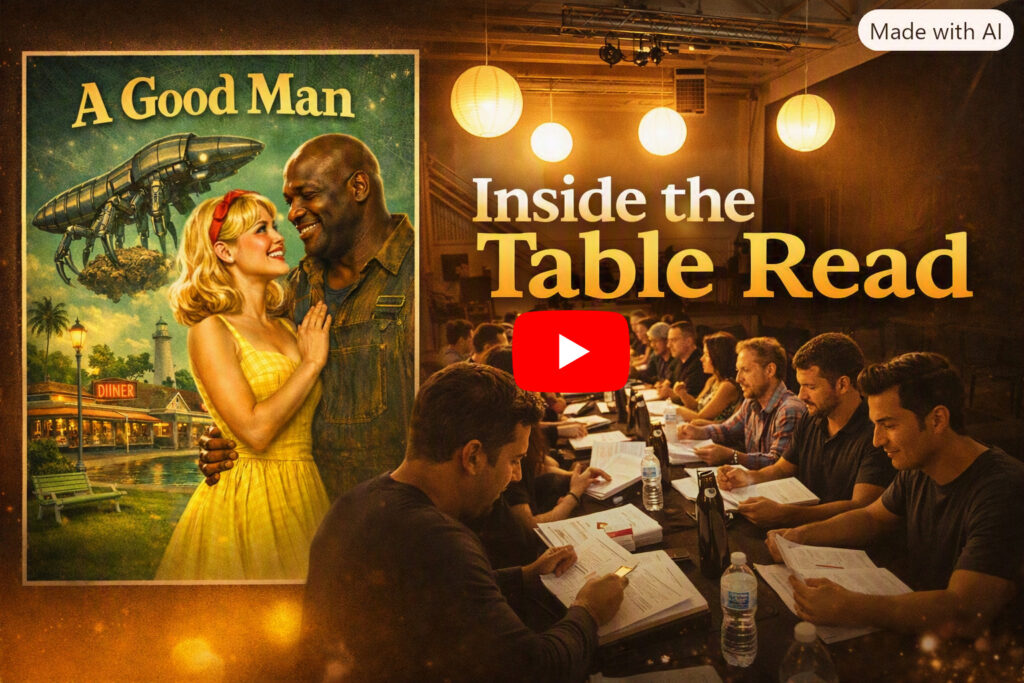
I just had my first table read ever of a script I’ve been working on for some time, “A Good Man.”

A Good Man is my sci-fi rom-com and first full-length feature, and I’ve been super excited about it. I always thought my 1st feature would be from one of my other stories I’ve already written in novel format, but when this idea came to me, I knew it was meant for the big screen.

Of course, I’m sure every filmmaker thinks that when they come up with a script, and especially for us independents, that can lead to serious heartbreak down the road.

For for now, I’m on my optimistic high, and there’s nothing you can do about it.

Why I Needed a Table Read More Than Another Edit

I’ve been living inside this screenplay for months. Draft after draft. Rough edits. Development notes. I sent it to my friends at Oba (One Brilliant Arc), who gave me a fantastic development edit. Their feedback was sharp, thoughtful, and exactly what I needed.

But after revising again (and again), I started getting a little blind to the story.

I couldn’t tell what was landing anymore. I couldn’t tell what was funny or confusing. I needed fresh eyes. I needed, an audience.

That’s where the table read came in.

What a Table Read Actually Is

If you’re new to filmmaking, a table read is basically a pre-screening of a movie that doesn’t exist yet. You gather actors, hand out scripts, and let them perform the story out loud. No costumes, blocking, or visuals. Just voices, energy, and hopefully a better idea of how your story plays in real time.

It’s the closest thing to watching your movie before you’ve even shot a frame.

Setting It Up: The Acting School Experiment

I reached out to a local acting school and offered to pay them what I’d normally pay an editor. In return, they’d give a portion of that money to their students as credit toward future classes.

Win for them. Win for the actors. Win for me.

They loved the idea.

I printed off about 14 copies of the script for them all to mark up. $200 cha-ching. Youch. But I just chaulked that expense into my editing budget and moved on from there. I actually brought a recorder to, but I never actually listened to it. I felt that my notes were pretty comprehensive the night of.

What the Actors Revealed

When you’re in the room, you feel everything. I was paying attention to everything I could:

  • The laughs that hit.
  • The laughs that didn’t.
  • The moments where someone shifts in their chair.
  • The bathroom breaks.
  • The yawns.
  • The sudden spark when a scene comes alive.

Every time I saw heard, or just felt like something could use a tweak in the edit, I made a note on my screenplay. Sometimes, nobody even did anything to clue me in, I just felt, instinctively, like something was or wasn’t working.

You also hear confusion. Actors marking lines with “???” or underlining moments that didn’t track. You hear pacing issues—scenes that drag, scenes that sprint, scenes that feel like they belong in a different movie.

And you hear the story breathe for the first time.

One actor’s delivery can make you rethink a character. One missed joke can make you rethink an entire comedic strategy—especially if you want the humor to land not just in the U.S. but in foreign markets too. Wordplay doesn’t always travel. Physicality and situational comedy do.

That realization alone was worth the entire session.

The Hard Truth About First Features

Here’s the reality: nobody is lining up to invest in a filmmaker who hasn’t made a movie yet. Hollywood is a miracle machine. Every film that gets completed, its is a statistical anomaly.

So if I want A Good Man to have a fighting chance, the script has to be undeniable before I ever start fundraising.

The table read was my first real audience. And they told me exactly what I needed to hear.

What Happens Next

I’m now going page by page, line by line, merging every note from every copy into my master script. When I’m done, I’ll have a clear roadmap of what needs to change, tighten, cut, or elevate.

And honestly? I’m excited.

The table read didn’t just expose problems, it confirmed strengths. Parts reinforced things my editor already pointed out and showed me where the pacing needs help. I walked away with a better idea of how to work on the humor and even found moments of levity that the actors brought that I never expected to be fun, but now I’m going to lean more into those spots.

Most importantly, it reminded me that filmmaking is collaborative long before cameras roll.

This script is no longer just mine. It’s becoming a movie.

More updates soon.

Filed Under: Blog

Recent Posts

  • Kill Switches, Creativity, and the Future of AI: My Conversation with Daniel C. Rodgers
  • Seth Panitch and the Art of Not Sitting Still
  • Protected: Week 4.7 — The Finish Line
  • Protected: Week 4.6 — The Reversal
  • Protected: Week 4.5 — The Echo

About Me

The art of storytelling has always fascinated me. When I think back and imagine a world before modern media, I imagine a parent entertaining their kids around the hearth with fantastic tales true and/or whimsical. Never mind the accuracy of this vision, it’s the way I choose to think of it. It’s also the inspiration for my work, to tell stories that captivate, stories that the whole family can enjoy together.

Contact Us

Menu

  • B-Roll
  • Books
  • Videos
  • About
  • Contact

Recent Posts

  • Kill Switches, Creativity, and the Future of AI: My Conversation with Daniel C. Rodgers
  • Seth Panitch and the Art of Not Sitting Still
  • How I Decided to Make a Mockbuster (and Why It Might Be the Smartest Move I’ve Made Yet)
  • Inside the Chaos: My Year of Pivoting, Producing, and Relearning What Matters
  • Inside the Creative Life of Fantasy Author Shawnna Lea

Blog Updates


  • YouTube

Copyright © 2025. All Rights Reserved. Light Minded Arts

2026

Light Minded Arts

All Rights Reserved

Site by PDM