
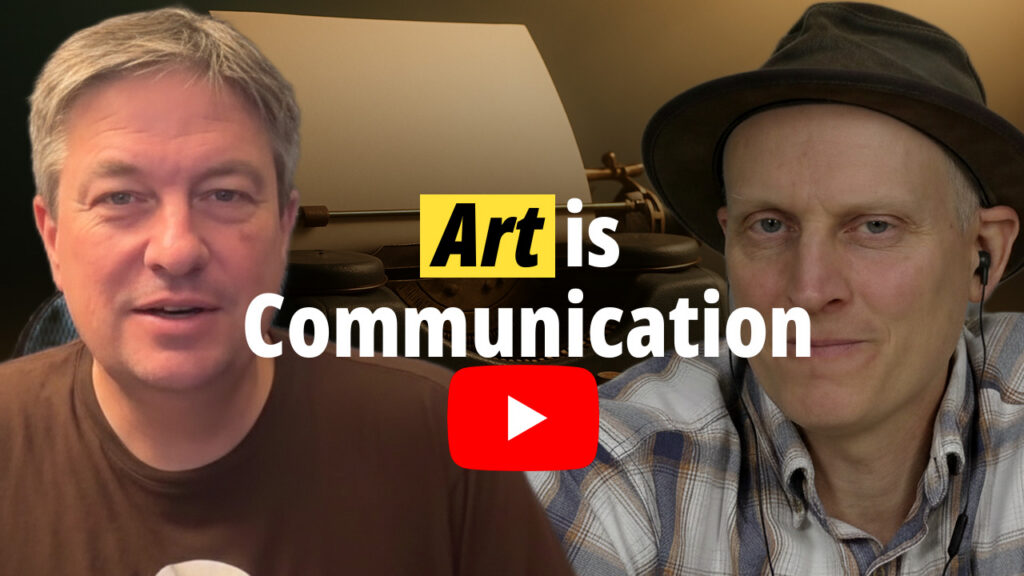
I wanted all day, rather than just one hour to pick this man’s brain.
Richard Moon is one of those people.
If you don’t know Richard yet, you will. He’s an award-winning screenwriter, indie film producer, novelist, physics tutor, SF nerd, history obsessive, musician, hiker, curler, kitten foster, and all-around storyteller. His debut historical fantasy novel To Conquer Death released in late 2025, and if the man’s résumé tells you anything, it’s that he’s lived enough creative lives to fill three memoirs.
But what struck me most in our conversation wasn’t the list of accomplishments. It was the honesty — the kind you only get from someone who’s been through the indie filmmaking gauntlet and lived to tell the tale.
And trust me… he has stories.
“Don’t do it.”
That was one of the first things Richard said when I mentioned how excited I am to dive deeper into indie film production.
He wasn’t joking.
He wasn’t being dramatic.
He was being honest.
Because if you’ve ever tried to make a film outside the studio system, you know exactly what he means. It’s a house of cards built on top of another house of cards, balanced on a windy cliff, while you’re trying to convince actors, financiers, locations, and distributors to all show up at the same time and not sneeze.
Richard’s been there. He’s watched projects fall apart because of financing. Because of actors. Because of timing. Because of the universe deciding it was Tuesday.
And even when you do get the house of cards built, distribution is another house of cards. A bigger one. With greased edges.
But here’s the thing: Richard didn’t say “don’t do it” because he regrets it. He said it because he respects it. Because he knows the cost. Because he knows that if you’re going to survive this world — filmmaking, writing, any creative pursuit — you need to walk in with your eyes open.
And that’s exactly why I wanted him on the show.
Screenwriting vs. Novel Writing: Two Different Beasts
Richard has lived on both sides of the writing spectrum — screenplays and novels — and I wanted to know which one he enjoys more.
His answer? It depends on the story.
Some stories want to be movies. They’re visual. They’re tight. They’re built around moments and movement.
Other stories… don’t fit inside a 110-page screenplay no matter how hard you try to cram them in. Richard talked about one project in particular — a story he loved, but one that simply refused to shrink down into a movie-sized container. It needed space. It needed interiority. It needed room to breathe.
So he turned it into a novel.
And that hit home for me, because I’ve had people read my books and say, “This feels like a movie! You should adapt it!” But the truth is, not every novel should be a movie. Some stories are too layered, too internal, too sprawling to survive the compression.
Short stories, on the other hand? Those are often perfect for adaptation. They’re lean. They’re focused. They can expand or contract without breaking.
Richard agreed — with the caveat that there are always exceptions. (Harry Potter, anyone?)
But the bigger point was this:
The story tells you what it wants to be. Your job is to listen.
The Financial Reality Nobody Wants to Talk About
One of the most valuable parts of our conversation was when we got into the financial side of being an independent creative.
Because let’s be honest — most people don’t talk about this.
They talk about passion. They talk about dreams. They talk about “following your heart.”
But passion doesn’t pay for gear. Dreams don’t cover location permits. And following your heart doesn’t keep the lights on.
Richard was blunt: running a production company takes hustle. Constant hustle. You take on side work. You take on contract work. You write. You produce. You teach physics. You do whatever you need to do to keep the creative machine alive.
And writing isn’t free either. Even if you’re “just writing a book,” you’re investing time, energy, editing, marketing, cover design, formatting, and a hundred other invisible costs.
Richard’s advice? Build a stable life so you can afford to chase unstable dreams.
Are Film Festivals Still Relevant?
I had to ask him this one, because the indie world is changing fast.
Are film festivals still worth it?
Richard’s answer surprised me.
Yes, but it’s not about the laurels. It’s not about the trophies. It’s not even about distribution anymore.
It’s about visibility.
Because whether you’re a filmmaker or a novelist, half the battle is simply letting people know you exist. You can make the best film in the world, but if you upload it to YouTube with no audience, it disappears into the void.
Festivals — like book signings, conventions, podcasts, interviews — are ways to plant your flag and say, “I’m here.”
And sometimes, that’s enough to start momentum.
The Lessons That Matter Most
Toward the end of the interview, I asked Richard what lesson has meant the most to him on his creative journey.
His answer was simple:
Be humble.
Be open to notes. Be open to critique. Be open to the possibility that your brilliant idea might need work. But also — know your vision.
Not every note is right. Not every critique is useful. Not every opinion deserves weight.
The trick is learning the difference.
And trust me, I felt that one. I remember early in my career asking for “honest feedback” and then immediately regretting it when I actually got it. Growth requires humility, but humility requires courage.
Richard also talked about the importance of community — not just family (who often love you too much to be honest), but peers who understand the craft and aren’t afraid to tell you the truth.
Why We Make Art in the First Place
One of my favorite moments in the interview was when Richard talked about why art matters to him.
He said something I’d never quite considered:
Art is communication — sometimes with others, sometimes with yourself.
Because yes, we create for audiences. Yes, we want people to experience our work. But sometimes, the act of creating is a conversation with the parts of ourselves we don’t know how to articulate any other way.
Check Out Richard’s Book
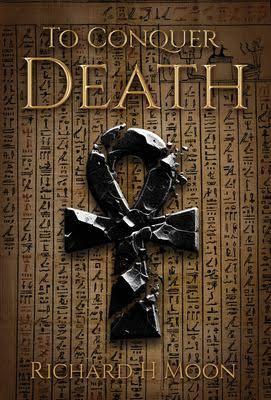
Richard’s debut novel To Conquer Death is out now, and if you want to support a seasoned storyteller who’s walked the walk, give it a read. And when you do?
Leave a review.
Seriously. Reviews are oxygen for indie authors.
Final Thoughts
Talking with Richard reminded me why I love interviewing creatives. Not because of the success stories — but because of the honesty. The grit. The shared understanding that this path is hard, unpredictable, and sometimes downright ridiculous… but worth it.
If you’re a new artist, filmmaker, or writer, take Richard’s advice to heart:
- Stay humble.
- Stay curious.
- Build a stable life so your art doesn’t have to carry the full weight.
- And above all, keep creating — even when the house of cards wobbles.
Because it will.
And you’ll keep going anyway.
Leave a Reply