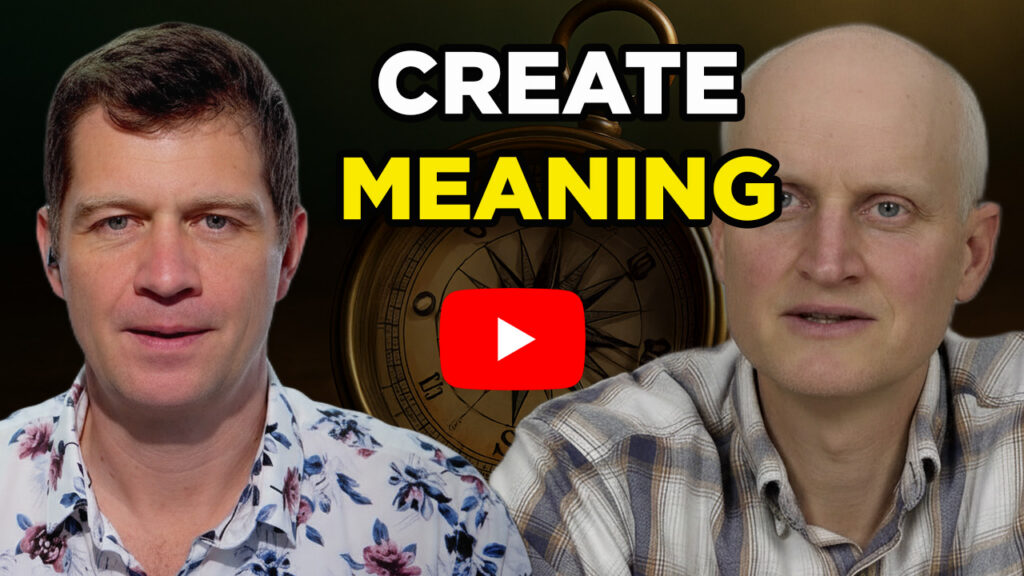
Today, I interview a man who works with people in both the world I came from (Construction) and the world I’m entering (Creative).
Wes Towers, founder of Uplift 360 and author of The Simple Manifesto. On paper, he builds websites for construction companies. In reality, he’s spent twenty years learning the hard lessons most of us try to avoid, and then turning those lessons into something the rest of us can actually use.
And honestly? Talking with him felt like sitting down with a guy who’s lived three lifetimes: the creative kid, the nervous young entrepreneur, and the seasoned strategist who’s finally figured out what matters.
So lets get our Ausi accent on, and breakdown my interview with Wes.
Creativity Isn’t a Detour — It’s the Foundation
Wes didn’t grow up dreaming about SEO or conversion funnels. (Who does?) He grew up drawing, designing, and winning a school-logo contest that still hangs on the building today. His mom was an artist. He took life-drawing classes as a kid. He lived in a world where creativity wasn’t a hobby, it was oxygen.
And that matters, because even though he now works with builders and contractors, the creative lens never left him. It’s why his websites don’t feel like cookie-cutter templates. It’s why his book reads like someone who’s actually lived through the mess, not someone regurgitating business clichés.
It’s also a reminder for the rest of us:
Your creative roots aren’t a liability. They’re your leverage.
The Hard Lessons Are the Ones That Stick
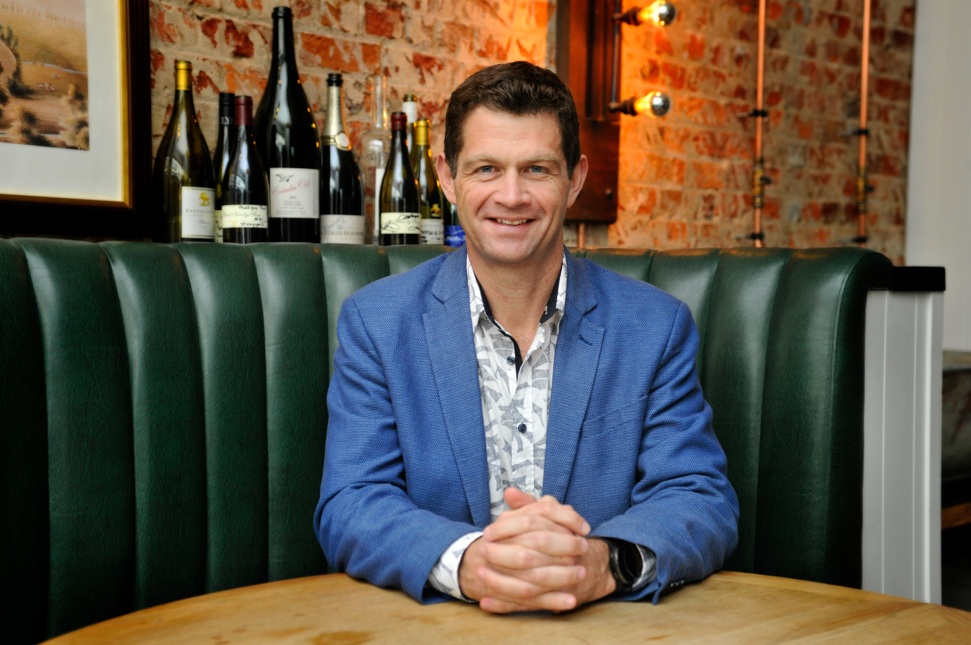
Wes didn’t sugarcoat his early years in business. He had the skills to design websites, but not the faintest clue how to run a business. Proposals? Bookkeeping? Client meetings? He described himself as “sweating through the first few,” and honestly, who hasn’t been there?
But the story that hit me hardest was the dating-website disaster.
He took on a massive project outside his lane, partly because he wanted to keep his lead developer engaged. The developer wrote the proposal, won the job, and then quit two weeks in. Wes was left alone with a mountain of code, a client expecting miracles, and no sleep for months.
He delivered it. The client sold the business. But the lesson was carved in stone: Stick to your lane.
As creatives, we all feel that pressure, take the gig, take the commission, take the job that doesn’t fit because the bills don’t care about your artistic integrity. But Wes’s story is a reminder that saying yes to the wrong thing can cost more than it pays.
AI Isn’t the Enemy
One of my favorite parts of our conversation was hearing Wes talk about AI. Not in the “robots are coming for our jobs” way, but in the “this is a tool, not a replacement for your soul” way.
He compared AI to a microphone: It amplifies your voice, but it shouldn’t become your voice.
That’s the trap so many people fall into. They let AI write their blogs, their captions, their marketing copy, and then wonder why nothing stands out. AI can remix what already exists, but it can’t create the spark that makes people care.
What it can do is help you share your message everywhere without losing your mind. Tools that clip your videos, repurpose your content, or help you publish across platforms, those are force multipliers. But only if you’re actually saying something worth multiplying.
Search Everywhere Optimization: The New Reality
Wes introduced a phrase I hadn’t heard before: Search Everywhere Optimization.
Not just Google. Not just YouTube. Not just social media. Everywhere.
People are searching for you in places you don’t even think about, TikTok, Instagram, AI chat tools, niche communities, podcasts, you name it. And the platforms all want the same thing:
Unique, high-quality content that adds something new to the world. That’s good news for creatives. Bad news for anyone trying to outsource their entire personality to ChatGPT.
The Volume Trap Is Real
I asked Wes about the pressure to be everywhere, all the time. You know the feeling:
“Should I be on TikTok? Should I be on LinkedIn? Should I be posting three times a day? Should I be doing dances? Should I be doing carousels? Should I be doing—”
You get the idea.
Wes’s answer was refreshingly sane: Pick your priority platforms. Create with intention. Syndicate the rest.
You don’t need to customize every post for every platform. You don’t need to spend your entire life making content. You need to make good content, and then let tools help you distribute it.
And if you’re lucky, your audience will start sharing it for you. That’s the real magic.
The Power of Being Known for Something
One of the strongest themes in Wes’s advice, both for his son in art school and for any creative, is the importance of being known for something.
A style, story, point of view, fingerprint.
People don’t buy art because it’s pretty. They buy it because of the story behind the hand that made it. A replica can be perfect, but it has no soul. No history. No meaning.
Your job as a creative isn’t just to make things.
It’s to make things that only you could have made.
The Most Meaningful Work Is Personal
Wes has worked with massive companies, but the projects that matter most to him are the ones where he can see the impact, the founder-led businesses, the people on the brink, the ones who need a win.
He told a story about a client who was nearly bankrupt and put his last hope into a small engagement with Wes. They built a simple strategy, step by step, and it saved the business.
That’s the kind of work that sticks with you. That’s the kind of work that reminds you why you started.
The Hardest Parts Are Always About People
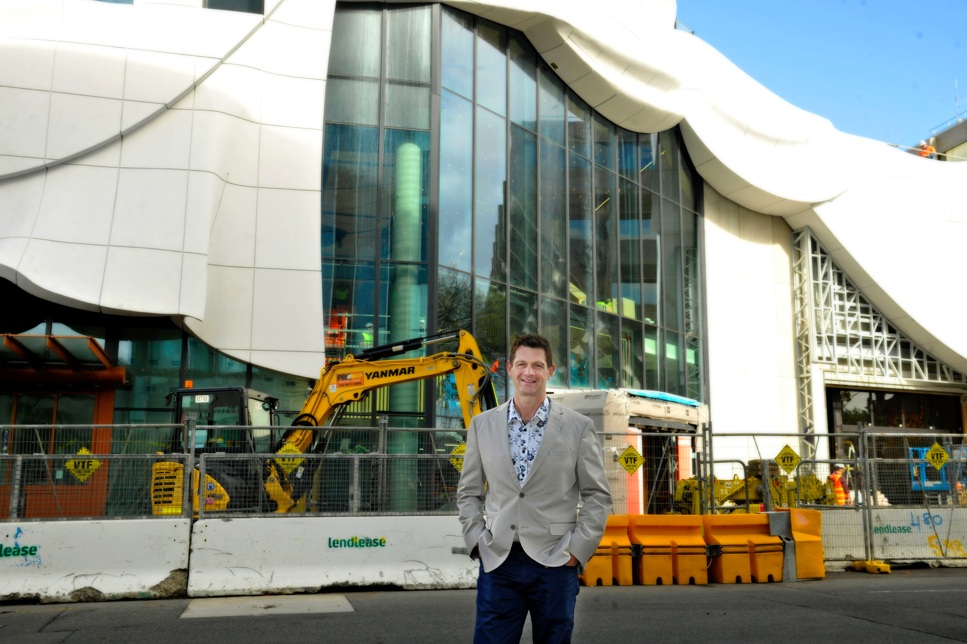
When I asked Wes about the hardest thing he’s faced, it wasn’t a failed project or a financial crisis. It was people.
His first employee quit while he was taking time off for the birth of his child, and took a chunk of his clients with her. No contracts. No protections. Just a painful lesson in trust and boundaries.
Creatives know this pain too. Bad collaborators, toxic partners, people who drain your energy instead of fueling it. But the flip side is also true: The right people can change everything.
Wes had mentors who opened doors for him. People who believed in him. People who connected him to opportunities he never would’ve found alone. And that’s the real takeaway: Your network isn’t optional. It’s oxygen.
If Wes Started Over as a Creative…
I asked him a hypothetical:
What if he quit everything and started fresh as a writer or filmmaker?
His answer was simple: He’d build a network, find the people walking the same path, learn the craft, explore different mediums, and surround himself with others doing the same.
Because no matter the industry, construction, art, filmmaking, the formula doesn’t change:
Create something meaningful. Share it widely. Connect deeply. And keep going.
If you haven’t checked out Wes’s work, do it. His book The Simple Manifesto is packed with insights, and his website is full of articles that apply to creatives just as much as contractors. Find more from him at: https://uplift360.com.au/
And if this conversation sparked something for you, stick around. Like, follow, share, all that good stuff.
We’re building something here.
And I’m glad you’re part of it.
Leave a Reply