
We love to slap labels on things. Debt? Oh, that’s “bad.” Or wait, maybe it’s “good” if you’re building credit. Or “ugly” when it spirals out of control. But here’s the truth: debt isn’t a moral character in your latest novel. It doesn’t wake up in the morning plotting against you.
In fact, and this is where the debt can truly be vilified, it doesn’t even sleep at all. Nope. It lives as long as you have it, eating up your interest every minute of every day.
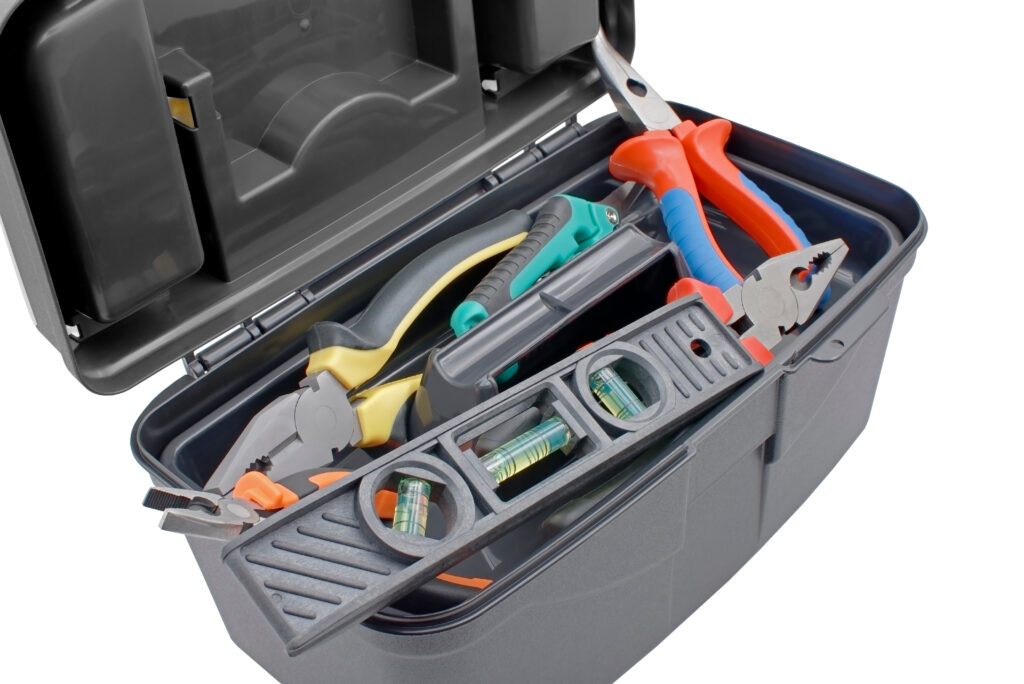
But debt is a tool, a neutral, silent, thing, buried in your shed, waiting for the right job to be wielded. The real question is whether you’re the kind of craftsman who knows how to build without cutting off your own fingers.
Debt teaches us timeless lessons, like how cash flow must be guarded, multiplied, and directed wisely. Borrow unwisely, and you become servant to the lender. Borrow strategically, and you can build something bigger than yourself.
Let’s break it down.
- When Is Debt Bad
When I first started college, I was terrified of debt. I remember getting my first credit card and felt like I was sinning. I knew there wasn’t anything inherently wrong with that little piece of plastic, as long as I paid it off every month, treating it more like a checkbook than a loan, but it still sent chills up my spine, making me wonder if I was ready for the thing.
As it turns out, I was. But I was careful with how I spent my money. I didn’t use the card if I didn’t have the money to pay it off. To me, the card represented a tool that made spending the money I already had more accessible. Rather than buying stuff I couldn’t yet afford. And there’s the rub. Debt turns sour when it’s used to chase stuff.
- The shiny car that loses value the moment you drive it off the lot.
- The vacation you couldn’t afford but slapped on a credit card anyway.
- The gadgets, clothes, or “status symbols” that drain your wallet faster than they add joy.
- Honestly, even your house, if you’re not careful.
This is debt as a trap. It’s the kind of borrowing that enslaves rather than empowers. Proverbs warns: “The borrower is servant to the lender.” It fools you into thinking you have more than you do, so you spend more than you should, and end up shackling yourself in the long run.
Why is this bad? Because you’re financing liabilities, not assets. Liabilities take money out of your pocket every month. Assets put money in. If your debt is feeding liabilities, you’re digging a hole that gets deeper with every interest payment.
Think of it like planting seeds in concrete. No matter how much fertilizer you buy and put on it, nothing grows.
- When Is Debt Good
Now, let’s flip the script. Debt can be a lever. Remember those physics lessons from grade school? Apply a little pressure on the end of a long stick and you can move a mountain…
- A mortgage on a rental property that generates monthly cash flow is good.
- A small business loan that funds equipment, marketing, or expansion — investments that return more than they cost is usually worth the loan.
- Student loans (used wisely) that increase your earning potential over a lifetime could do the trick too, though I might urge a little caution on this point, as the subject you’re studying must be one that justifies the loan. Plus, I think there are plenty of options for funding schooling without going into debt. I’ll share with you some other time how I got both my bachelors degree and my MBA without going into debt.
To my point, debt can be an accelerant. It’s like fire: dangerous if uncontrolled, but powerful when harnessed. Money should be put to work, never hoarded. Debt, when tied to productive assets, is simply borrowed money put to work on your behalf.
The key difference is Cash Flow. If the borrowed money creates more income than the cost of borrowing, debt becomes a partner, not a predator.
- Why Debt Is More of a Tool
Let’s stop moralizing debt as “good” or “bad.” It’s neither. It’s a hammer.
- In the hands of a skilled builder, a hammer constructs homes.
- In the hands of the careless, it smashes thumbs.
Debt is the same. It’s neutral until you decide how to use it.
This perspective frees you from guilt. Too many people carry shame about debt, as if it defines their worth. But shame doesn’t pay bills. Wisdom does.
That principle of shame is still perpetuated today, and for good reason. A lot of people out there don’t have the wisdom to use debt correctly. They not only are likely, but are guaranteed to hurt themselves with it. For those people, the preaching of debt being dangerous is true. Dave Ramsey is one such architect of this philosophy. He provides an essential service to save people from themselves. And for those people who need his advice, he is truly a God-send.
But he only tells half the story. The other half of the story is told by those who have learned to use debt responsibly. If debt helps you keep more money by building assets, creating income streams, or multiplying your resources, it’s serving its purpose. If debt drains what you earn, it’s misused.
- How to Safely Use Debt to Finance Your Future
So how do you wield this tool without losing a hand?
- Borrow for Assets, Not Stuff
- Assets generate income or appreciate in value.
- Stuff depreciates, breaks, or gathers dust.
- Run the Numbers Like a Ruthless Accountant
- If the return on investment (ROI) doesn’t exceed the interest rate, walk away.
- Example: Borrowing at 6% to invest in something that yields 12%? Smart. Borrowing at 18% to buy sneakers? Foolish.
- Keep Margin for Error
- Life throws curveballs. Don’t max out your borrowing capacity. Leave room for downturns, vacancies, or unexpected expenses.
- Align Debt With Purpose
- Debt should serve your mission, not distract from it. If your goal is financial freedom, every loan should move you closer, not farther.
- Pay Attention to Cash Flow, Not Just Value
- A house that appreciates is nice. A house that pays you rent every month is better. Cash flow is king.
- Avoid Emotional Borrowing
- Debt decisions made in the heat of desire (“I deserve this now”) almost always backfire. Cool heads make wise choices.
A Modern Parable
Imagine two friends. One borrows $20,000 to buy a car that loses half its value in five years. The other borrows $20,000 to buy equipment for a landscaping business that nets $2,000 a month.
Same debt. Different outcomes. One is chained to payments with nothing to show. The other builds a business, pays off the loan, and owns equipment that continues to generate income.
Debt didn’t decide their fate. Their choices did.
- Final Thoughts: Debt as a Servant, Not a Master
Debt is neither angel nor demon. It’s a servant waiting for orders. The danger comes when we forget who’s supposed to be in charge.
Used wisely, debt can accelerate dreams, build businesses, and create generational wealth. Used foolishly, it enslaves, suffocates, and steals peace of mind.
So the next time you hear someone declare debt “good” or “bad,” smile knowingly. Debt is none of the above. It’s a tool. And like any tool, it demands skill, discipline, and purpose.
Leave a Reply