Light Minded Arts

Light Minded Arts

  • B-Roll
  • Books
  • Videos
  • About
  • Contact

Home | Archives for Lexi Adams

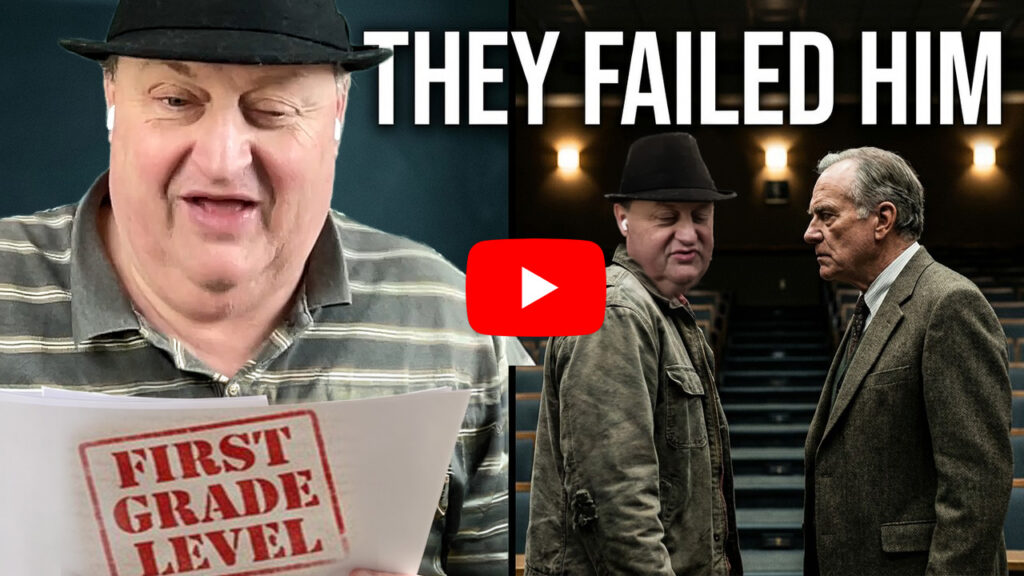
Russell Van Brocklen didn’t overcome dyslexia—he weaponized it.

In our latest Light-Minded Arts interview, he shared how a first-grade reading level didn’t stop him from thriving, and launching a multi-year educational study funded by the New York State Senate.

For creatives trying to escape the struggling artist trap, Russell’s story is more than inspiring—it’s tactical.

The System Said “No”—So He Rewrote the Rules

Russell’s neuropsychological evaluation confirmed the worst-case dyslexia. When he applied for a New York State Assembly internship, they nearly rejected him outright. But instead of being sidelined, he was placed in the Majority Leader’s Program in Council’s office—a graduate-level policy internship. Despite his writing challenges, he earned top marks through oral presentations and Q&A sessions. Then came the gut punch: SUNY Buffalo overrode the state’s accommodations and gave him 15 credits of F.

That moment of institutional betrayal became a turning point—not just for himself, but to show other dyslexics how to do it.

Law School as a Creative Battleground

Russell’s breakthrough came in a law school classroom. The Socratic method—designed to crush students with rapid-fire questioning—didn’t faze him. His frontal lobe, hyperactive due to dyslexia, allowed him to respond with clarity and speed. He didn’t just survive the class—he matched the professor blow for blow in a 15-minute intellectual duel.

That moment proved something powerful: dyslexia doesn’t have to be a deficit. It’s a different operating system. And when paired with the right environment, it can outperform traditional models.

The $900 Miracle: Turning Struggling Students into Graduate-Level Writers

Russell didn’t stop at personal success. He designed a pilot program in the Avon Park Central School District, targeting the most motivated dyslexic juniors. After one class period a day for a school year, their reading and writing jumped from 7th grade to graduate school level. The cost? Less than $900.

Every student went on to college. Every student graduated. The secret wasn’t just hard work—it was leveraging the creative strengths of dyslexia.

What Creatives Can Learn from Dyslexic Brains

Russell breaks down the neuroscience: dyslexic brains show reduced activity in the rear (traditional reading centers) but hyperactivity in the frontal lobe—where creativity lives. That’s why dyslexics like Steven Spielberg and Walt Disney didn’t just succeed—they reshaped entire industries.

Spielberg edits in his head. Disney built Disneyland not for kids, but for adults seeking escape and control. These aren’t just anecdotes—they’re blueprints for creative domination.

The Trap: Scattered Ideas with No Organization

Russell identifies the biggest barrier for creatives with dyslexia, ADHD, or similar traits: ideas flying around at light speed with no structure. The fix? Force the brain to organize itself using writing as a measurable output.

He recommends starting with specific-to-general questions. Instead of asking, “What effect did MLK’s speech have?” ask, “What personally compelled MLK to give that speech?” That approach triggers a cascade of answers, forcing clarity and structure.

AI as a Writing Partner, Not a Replacement

Russell’s current workflow blends dictation, Anthropic’s Claude 4.5, ChatGPT Pro, and human ghostwriters. He’s not outsourcing creativity—he’s orchestrating it. He uses AI to mimic his style, refine drafts, and then hands it off to trusted editors who strip out the generic and bring the human voice back.

For creatives, this is a roadmap: use AI to accelerate, not replace. Stay in control of your message. Treat writing as a tool to organize your brilliance.

Final Takeaway: Find Your Micro-Lane and Own It

Russell’s advice to creatives is blunt: find your area of extreme interest and ability, and stay there. Step outside it, and your performance drops. Stay inside it, and you become unstoppable.

Whether you’re dyslexic, ADHD, or just scattered from the chaos of creative life, the lesson is clear: your brain isn’t broken. It’s built for something specific. Find that thing. Build around it. And never let the system tell you what you can’t do.
Filed Under: Blog

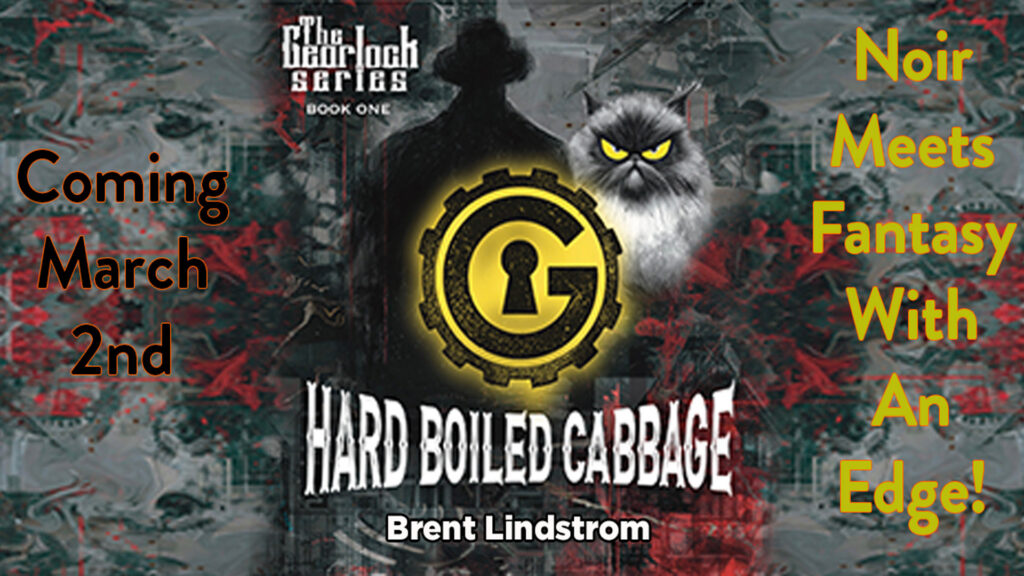
If you’ve been walking around feeling like the world stopped making sense a while ago — like you’re doing your best to stay afloat in a place that keeps changing the rules — then Hard Boiled Cabbage might be exactly the story you’ve been craving.

It’s not just a hard-boiled mystery.
It’s not just absurd humor.
It’s not just grit and heart and strange characters trying to survive a stranger world.

It’s a mirror.

A funhouse mirror, sure — but one that reflects something real:
that feeling of trying to hold onto your dignity when everything around you feels chaotic, unpredictable, or downright surreal.

If you’ve ever:

  • Felt like you’re living in a Dick Tracy story without the trench coat 
  • Wondered why the world feels so bizarre lately 
  • Needed a break that actually pulls you out of your head 
  • Wanted a story that’s weird enough to be fun but honest enough to hit home 

…then this book was written for you.

Hard Boiled Cabbage is the kind of story that lets you laugh at the absurdity, feel the heart beneath the chaos, and walk away thinking, “Okay… maybe I’m not the only one trying to make sense of all this.”

And on March 2nd, the book finally arrives.

If you’re ready for something different — something that doesn’t fit in a box, something that gives you escape and resonance — grab it on release day.

PROMO:

For the 1st 50 people who buy AND leave a review, I’ll send a complementary gift. Just email me a screenshot of your purchase confirmation and your published review at: Storyteller@LightMindedArts.com

👉 Releases March 2nd
👉 Available in Audiobook too!

Upcoming Book Signings (Utah):

March 14th   Barnes & Noble – Sugarhouse Location : 11:00 am – 3:00 pm

April 25th       Barnes & Noble – Sandy Location: Noon – 3:00 pm

  1. Book Links:

https://www.barnesandnoble.com/w/hard-boiled-cabbage-brent-lindstrom/1148353176

  1. Ebook Links:

https://www.barnesandnoble.com/w/hard-boiled-cabbage-brent-lindstrom/1148353176

  1. Audiobook Links:

Filed Under: Blog

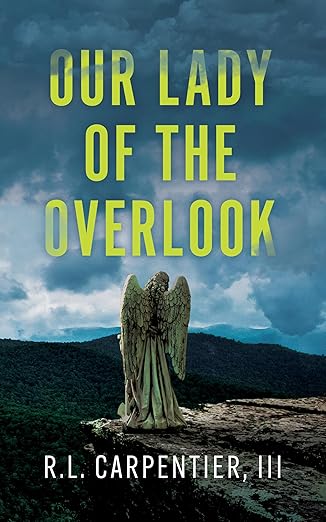
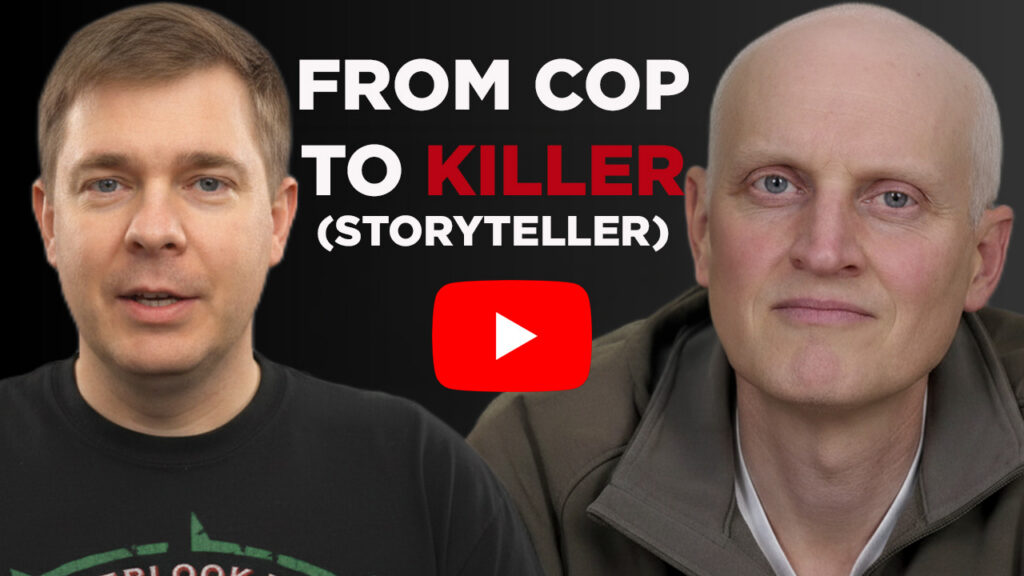
I  sat down with Rodney Carpentier (R.L. Carpenter to his readers) and picked his brain for an hour. He’s an 18-year law enforcement professional, a lieutenant counting down the days to retirement, and somehow, in the middle of all that, he’s written and published two crime novels with a third on the way.

But the part that stuck with me wasn’t the résumé. It was the way Rodney talked about creativity with the same grounded practicality he brings to police work. No fluff. No tortured-artist mythology. Just discipline, curiosity, and a willingness to learn the business side of the craft.

And honestly? That’s exactly what struggling artists need to hear.

So let’s break down the lessons from Rodney’s journey—the ones that can help you stop struggling and start working as a creative.

1. Creativity Doesn’t Need Permission—But It Does Need Direction

Rodney grew up writing stories with his mom on Sunday afternoons. Locked-room mysteries. Clue-style puzzles. The kind of imaginative play that plants seeds without you realizing it.

But he didn’t become an author until decades later, after a career in corrections, patrol, investigations, and eventually leadership. The turning point wasn’t a sabbatical or a perfect moment. It was a night shift. An idea. And the realization that waiting for “the right time” was a trap.

“I’m not going to wait around for the time to be right. I have something—I’m going to chase it.”

So often, we all feel the same way.

Lesson:
Stop waiting for the universe to clear your schedule. Start with the idea you have today, not the perfect idea you hope will show up tomorrow.

2. Master the Rules Before You Break Them

Rodney said something that made me laugh because I’ve heard it a thousand times from young creatives:

“I don’t want to follow the rules. I want to do something avant-garde.”

And look—there’s nothing wrong with innovation. But Rodney hit the nail on the head:

“If you don’t master the old ways, how can you make something new?”

He’s right. You can’t subvert structure if you don’t understand structure. You can’t reinvent storytelling if you’ve never studied storytelling. You can’t build a career on vibes alone.

Rodney went back to his college books. He studied the Hero’s Journey. He read Robert McKee. He listened to podcasts. He experimented. And eventually, he found the framework that clicked: For him, it was: Save the Cat.

Not because it’s trendy. Because it worked for his brain.

Lesson:
Learn the craft. Learn the rules. Then twist them into something that feels like you.

3. Writing Isn’t Just Typing—Thinking Counts Too

One of my favorite moments was when Rodney talked about his 45-minute commute. He uses it to talk through scenes out loud, puzzle out plot problems, or let ideas simmer.

If you drove past him on the freeway, you’d probably think he was arguing with himself. And you’d be right.

But here’s the thing: that’s writing.

We forget that sometimes. We think writing only happens when our fingers are on the keyboard. But the subconscious is doing half the work long before we sit down.

Rodney leaves himself cliffhangers on purpose:

“And then she opened the door…”
Stop.
Let the brain chew on it.

That’s a pro move.

Lesson:
Give yourself space to think. Thinking is not procrastination—it’s part of the process.

4. Discipline Beats Inspiration Every Time

Rodney writes in sprints. Ten minutes. Twenty minutes. An hour. Then he gets up, hits his electronic drum kit, moves his body, resets his brain, and goes again.

It’s not glamorous. It’s not romantic. It’s not the tortured-artist stereotype.

It’s work.

And that’s why it works.

Lesson:
Build a system that fits your life. Don’t wait for inspiration—train it to show up on schedule.

5. Your Day Job Isn’t the Enemy of Your Art

Rodney’s job is demanding. Stressful. Bureaucratic. Emotional. And yet, it feeds his writing in ways he didn’t expect.

He understands procedure. He understands people. He understands fear, trauma, and the way small communities operate. All of that becomes texture in his fiction.

But more importantly, he doesn’t resent his job for “getting in the way” of his art. He uses it. He works around it. He lets it support the life he’s building.

And his coworkers? They’re some of his biggest fans.

Lesson:
Your day job doesn’t have to be the villain. It can be the scaffolding that lets your creative life grow.

6. Art Is Emotional—But the Business Is Practical

He didn’t just write a book. He learned how to publish it. How to market it. How to navigate KDP. How to hire a narrator. How to deal with ACX. How to attend conferences. How to network.

He didn’t romanticize any of it.

“Art is business. If you want people to read it, you have to think about the business side.”

That’s the line most struggling artists avoid. But it’s the line that separates hobbyists from working creatives.

Lesson:
If you want your art to reach people, you have to learn the business. There’s no shortcut.

7. Community Isn’t Optional—It’s Fuel

Rodney spent most of his adult life surrounded by cops, not creatives. So when he started attending writing conferences, something shifted.

He found people who spoke his language. People who understood story beats and character arcs and plot holes. People who could challenge him, inspire him, and push him forward.

And he lit up talking about it.

Lesson:
Find your people. Creativity grows faster in community than in isolation.

8. You Don’t Owe the World Perfection—But You Do Owe Your Readers Payoff

Rodney is writing a trilogy. And he said something that every storyteller needs to hear:

“I have checks I wrote three years ago that I need to pay off.”

That’s accountability. That’s respect for the reader. That’s the difference between “I wrote a book” and “I’m building a career.”

Lesson:
Your audience isn’t an afterthought. They’re part of the creative equation.

Final Thought: You Don’t Need to Struggle to Be an Artist

Rodney’s story isn’t glamorous. It’s not dramatic. It’s not the tortured-genius narrative we’ve been fed for decades.

It’s better.

It’s the story of a working creative—someone who shows up, learns the craft, respects the audience, builds systems, and treats art like a discipline instead of a destiny.

And that’s the path out of the “struggling artist” myth.

Not suffering, not waiting, not hoping, but working, learning. creating. And repeating.

If Rodney can write novels between night shifts, court papers, administrative meetings, and a 45-minute commute, then you can build your creative life too—one intentional step at a time.If you’d like to learn more, visit his website at: https://www.rlcarpentierwriter.com/

Filed Under: Blog

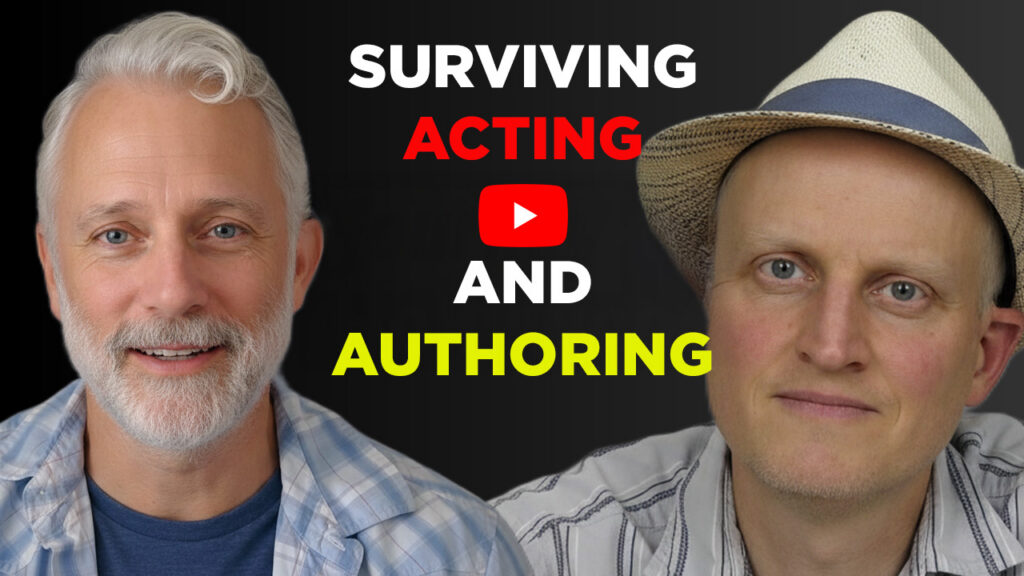
Every once in a while, I sit down with someone whose creative journey feels like a mirror held up to my own—only with a few more plot twists, a couple more passport stamps, and significantly better hair. That was my conversation with actor-turned-author Max Shippee, a man who has lived in more states than I’ve owned pairs of work boots, and who somehow manages to balance acting, writing, gym ownership, and fatherhood without spontaneously combusting.

Acting to Author

Max grew up in rural Maine, dancing on stage with his siblings in what I can only imagine was the most wholesome production of “Shippees and Shippettes” ever performed. From there, he pinballed across the country—Oklahoma, Nevada, Texas, D.C.—before landing in Hollywood and eventually Bali. Along the way, he collected stories and experiences.

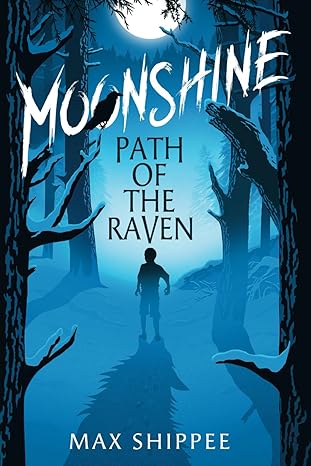
His debut novel, Moonshine: Path of the Raven, was a natural evolution of his creative journey. It made me think back to my first book which was… well, let’s just say it was a learning experience. But Max’s first chapter hooked me instantly. The man writes like he’s been doing it for decades.

When I asked him how he pulled that off, he gave credit where credit was due: his wife. “She taught Shakespeare for years,” he said. “She’s way smarter than me.” And honestly, after hearing how she pushed him to deepen the spells in his book—turning them from cute rhymes into layered, prophetic poetry—I believe him. As Max put it, “Writing is rewriting,” and those spells took them three to four days to get right.

That became a theme in our conversation:

The work beneath the work

The drafts behind the draft. The reps behind the performance.

Max told me his book went through 13–15 drafts depending on the chapter. I laughed because I’ve lived that life. My first drafts are basically a crime scene—bodies everywhere, no structure, characters wandering off into the woods. But like Max, I’ve learned to love the refining process. That’s where the magic happens.

And then Max dropped a phrase I’m never going to forget:

Earned endings

He talked about how the ending of his book came to him early, and how that created a kind of pressure—good pressure—to make the rest of the story worthy of that final moment. “If someone spends nine hours with you,” he said, “you better leave them with something they’re thinking about.”

He’s right. Whether it’s a book, a film, or a YouTube video, people remember two things: the highlight and the ending. If you can nail those, you’ve done your job.

But Max’s journey isn’t just about writing. Acting has been a huge part of his life, even though he didn’t originally plan on it. In college, he majored in chemical engineering… while on a theater scholarship. By his second semester, he had done six shows and earned a D in chemistry. “This is what’s working,” he told himself. “This is what isn’t.”

That honesty about what’s actually working, is something a lot of creatives struggle with. We cling to the idea of what we should be doing instead of what we’re built to do.

Today’s acting environment

Max leaned into what came naturally: movement, storytelling, and emotional truth. That led him to commercials, soap operas, and a long run on The Young and the Restless, where he learned to shoot 70 pages a day. Yes, you read that right. Seventy. “You learn to make choices fast,” he said. “You don’t get to internalize everything. You hit your mark, trust the music, and go.”

But acting isn’t a stable career, and Max is brutally honest about that. Commercials can pay well, but they can also lock you out of other work for months. TV royalties aren’t what they used to be. Streaming changed the game. And the industry has been hit hard by strikes, COVID, and shifting budgets.

Surviving financially

So Max did what many working creatives eventually have to do: he built a side business. In 2009, he opened a CrossFit gym—not to get rich, but to create stability. “It pays some bills,” he said. “It takes stress off the plate.” It also kept him fit, gave him community, and provided a place where lawyers, plumbers, teachers, and actors all sweat together.

I resonated with that deeply. I’ve said it before: your creative life is only as strong as the foundation you build under it. If your finances are chaos, your art will suffer. If your schedule is dictated by someone else, your creativity gets squeezed into the cracks. Max and I both learned that the hard way.

And yet, despite the challenges, Max radiates gratitude. He credits his wife, his kids, his in-laws, his gym community. He knows he’s lucky to have support. I feel the same way. Without my wife, none of this—Light-Minded Arts, the books, the filmmaking—would exist.

When I asked Max what advice he’d give new creatives, he didn’t hesitate: get your reps in.

Whether it’s writing, acting, painting, filmmaking—do it every day. Not once a month. Not when inspiration strikes. Every day. “The muse doesn’t show up unless you’re already working,” he said. And he’s right. Consistency beats talent every time.

His second piece of advice echoed something I preach constantly: build a stable life so your creativity has room to breathe. It takes five to ten years to build anything meaningful. Whether it’s your financial base or your artistic skill, you have to be patient, persistent, and willing to iterate.

Max’s journey is a reminder that the creative life isn’t a straight line. It’s a winding path through dance studios, chemistry labs, Vegas stages, CrossFit gyms, and quiet rooms where you rewrite the same stanza for the tenth time. It’s messy, unpredictable, and occasionally ridiculous. But if you stick with it, if you earn your endings, it’s worth every step.

And if you want to see what an earned ending looks like, go check out Moonshine: Path of the Raven. Max is building something special, and I’m excited to see where his story goes next.

You can find his book here: https://www.amazon.com/dp/B0DFWQWXQ9?maas=maas_adg_0B8544EDDA6DC04070F85D78EDC0CF03_afap_abs&ref_=aa_maas&tag=maas

Filed Under: Blog

Today, I interview a man who works with people in both the world I came from (Construction) and the world I’m entering (Creative).

Wes Towers, founder of Uplift 360 and author of The Simple Manifesto. On paper, he builds websites for construction companies. In reality, he’s spent twenty years learning the hard lessons most of us try to avoid, and then turning those lessons into something the rest of us can actually use.

And honestly? Talking with him felt like sitting down with a guy who’s lived three lifetimes: the creative kid, the nervous young entrepreneur, and the seasoned strategist who’s finally figured out what matters.

So lets get our Ausi accent on, and breakdown my interview with Wes.

Creativity Isn’t a Detour — It’s the Foundation

Wes didn’t grow up dreaming about SEO or conversion funnels. (Who does?) He grew up drawing, designing, and winning a school-logo contest that still hangs on the building today. His mom was an artist. He took life-drawing classes as a kid. He lived in a world where creativity wasn’t a hobby, it was oxygen.

And that matters, because even though he now works with builders and contractors, the creative lens never left him. It’s why his websites don’t feel like cookie-cutter templates. It’s why his book reads like someone who’s actually lived through the mess, not someone regurgitating business clichés.

It’s also a reminder for the rest of us:
Your creative roots aren’t a liability. They’re your leverage.

The Hard Lessons Are the Ones That Stick

Wes didn’t sugarcoat his early years in business. He had the skills to design websites, but not the faintest clue how to run a business. Proposals? Bookkeeping? Client meetings? He described himself as “sweating through the first few,” and honestly, who hasn’t been there?

But the story that hit me hardest was the dating-website disaster.

He took on a massive project outside his lane, partly because he wanted to keep his lead developer engaged. The developer wrote the proposal, won the job, and then quit two weeks in. Wes was left alone with a mountain of code, a client expecting miracles, and no sleep for months.

He delivered it. The client sold the business. But the lesson was carved in stone: Stick to your lane.

As creatives, we all feel that pressure, take the gig, take the commission, take the job that doesn’t fit because the bills don’t care about your artistic integrity. But Wes’s story is a reminder that saying yes to the wrong thing can cost more than it pays.

AI Isn’t the Enemy

One of my favorite parts of our conversation was hearing Wes talk about AI. Not in the “robots are coming for our jobs” way, but in the “this is a tool, not a replacement for your soul” way.

He compared AI to a microphone: It amplifies your voice, but it shouldn’t become your voice.

That’s the trap so many people fall into. They let AI write their blogs, their captions, their marketing copy, and then wonder why nothing stands out. AI can remix what already exists, but it can’t create the spark that makes people care.

What it can do is help you share your message everywhere without losing your mind. Tools that clip your videos, repurpose your content, or help you publish across platforms, those are force multipliers. But only if you’re actually saying something worth multiplying.

Search Everywhere Optimization: The New Reality

Wes introduced a phrase I hadn’t heard before: Search Everywhere Optimization.

Not just Google. Not just YouTube. Not just social media. Everywhere.

People are searching for you in places you don’t even think about, TikTok, Instagram, AI chat tools, niche communities, podcasts, you name it. And the platforms all want the same thing:

Unique, high-quality content that adds something new to the world. That’s good news for creatives. Bad news for anyone trying to outsource their entire personality to ChatGPT.

The Volume Trap Is Real

I asked Wes about the pressure to be everywhere, all the time. You know the feeling:
“Should I be on TikTok? Should I be on LinkedIn? Should I be posting three times a day? Should I be doing dances? Should I be doing carousels? Should I be doing—”

You get the idea.

Wes’s answer was refreshingly sane: Pick your priority platforms. Create with intention. Syndicate the rest.

You don’t need to customize every post for every platform. You don’t need to spend your entire life making content. You need to make good content, and then let tools help you distribute it.

And if you’re lucky, your audience will start sharing it for you. That’s the real magic.

The Power of Being Known for Something

One of the strongest themes in Wes’s advice, both for his son in art school and for any creative, is the importance of being known for something.

A style, story, point of view, fingerprint.

People don’t buy art because it’s pretty. They buy it because of the story behind the hand that made it. A replica can be perfect, but it has no soul. No history. No meaning.

Your job as a creative isn’t just to make things.
It’s to make things that only you could have made.

The Most Meaningful Work Is Personal

Wes has worked with massive companies, but the projects that matter most to him are the ones where he can see the impact, the founder-led businesses, the people on the brink, the ones who need a win.

He told a story about a client who was nearly bankrupt and put his last hope into a small engagement with Wes. They built a simple strategy, step by step, and it saved the business.

That’s the kind of work that sticks with you. That’s the kind of work that reminds you why you started.

The Hardest Parts Are Always About People

When I asked Wes about the hardest thing he’s faced, it wasn’t a failed project or a financial crisis. It was people.

His first employee quit while he was taking time off for the birth of his child, and took a chunk of his clients with her. No contracts. No protections. Just a painful lesson in trust and boundaries.

Creatives know this pain too. Bad collaborators, toxic partners, people who drain your energy instead of fueling it. But the flip side is also true: The right people can change everything.

Wes had mentors who opened doors for him. People who believed in him. People who connected him to opportunities he never would’ve found alone. And that’s the real takeaway: Your network isn’t optional. It’s oxygen.

If Wes Started Over as a Creative…

I asked him a hypothetical:
What if he quit everything and started fresh as a writer or filmmaker?

His answer was simple: He’d build a network, find the people walking the same path, learn the craft, explore different mediums, and surround himself with others doing the same.

Because no matter the industry, construction, art, filmmaking, the formula doesn’t change:

Create something meaningful. Share it widely. Connect deeply. And keep going.

If you haven’t checked out Wes’s work, do it. His book The Simple Manifesto is packed with insights, and his website is full of articles that apply to creatives just as much as contractors. Find more from him at: https://uplift360.com.au/

And if this conversation sparked something for you, stick around. Like, follow, share, all that good stuff.

We’re building something here.
And I’m glad you’re part of it.

Filed Under: Blog

I wanted all day, rather than just one hour to pick this man’s brain.

Richard Moon is one of those people.

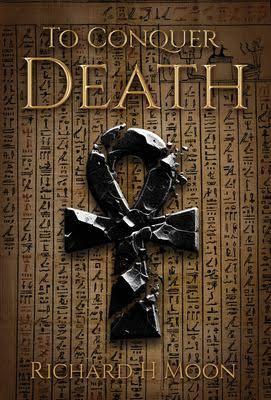
If you don’t know Richard yet, you will. He’s an award-winning screenwriter, indie film producer, novelist, physics tutor, SF nerd, history obsessive, musician, hiker, curler, kitten foster, and all-around storyteller. His debut historical fantasy novel To Conquer Death released in late 2025, and if the man’s résumé tells you anything, it’s that he’s lived enough creative lives to fill three memoirs.

But what struck me most in our conversation wasn’t the list of accomplishments. It was the honesty — the kind you only get from someone who’s been through the indie filmmaking gauntlet and lived to tell the tale.

And trust me… he has stories.

“Don’t do it.”

That was one of the first things Richard said when I mentioned how excited I am to dive deeper into indie film production.

He wasn’t joking.

He wasn’t being dramatic.

He was being honest.

Because if you’ve ever tried to make a film outside the studio system, you know exactly what he means. It’s a house of cards built on top of another house of cards, balanced on a windy cliff, while you’re trying to convince actors, financiers, locations, and distributors to all show up at the same time and not sneeze.

Richard’s been there. He’s watched projects fall apart because of financing. Because of actors. Because of timing. Because of the universe deciding it was Tuesday.

And even when you do get the house of cards built, distribution is another house of cards. A bigger one. With greased edges.

But here’s the thing: Richard didn’t say “don’t do it” because he regrets it. He said it because he respects it. Because he knows the cost. Because he knows that if you’re going to survive this world — filmmaking, writing, any creative pursuit — you need to walk in with your eyes open.

And that’s exactly why I wanted him on the show.

Screenwriting vs. Novel Writing: Two Different Beasts

Richard has lived on both sides of the writing spectrum — screenplays and novels — and I wanted to know which one he enjoys more.

His answer? It depends on the story.

Some stories want to be movies. They’re visual. They’re tight. They’re built around moments and movement.

Other stories… don’t fit inside a 110-page screenplay no matter how hard you try to cram them in. Richard talked about one project in particular — a story he loved, but one that simply refused to shrink down into a movie-sized container. It needed space. It needed interiority. It needed room to breathe.

So he turned it into a novel.

And that hit home for me, because I’ve had people read my books and say, “This feels like a movie! You should adapt it!” But the truth is, not every novel should be a movie. Some stories are too layered, too internal, too sprawling to survive the compression.

Short stories, on the other hand? Those are often perfect for adaptation. They’re lean. They’re focused. They can expand or contract without breaking.

Richard agreed — with the caveat that there are always exceptions. (Harry Potter, anyone?)

But the bigger point was this:

The story tells you what it wants to be. Your job is to listen.

The Financial Reality Nobody Wants to Talk About

One of the most valuable parts of our conversation was when we got into the financial side of being an independent creative.

Because let’s be honest — most people don’t talk about this.

They talk about passion. They talk about dreams. They talk about “following your heart.”

But passion doesn’t pay for gear. Dreams don’t cover location permits. And following your heart doesn’t keep the lights on.

Richard was blunt: running a production company takes hustle. Constant hustle. You take on side work. You take on contract work. You write. You produce. You teach physics. You do whatever you need to do to keep the creative machine alive.

And writing isn’t free either. Even if you’re “just writing a book,” you’re investing time, energy, editing, marketing, cover design, formatting, and a hundred other invisible costs.

Richard’s advice? Build a stable life so you can afford to chase unstable dreams.

Are Film Festivals Still Relevant?

I had to ask him this one, because the indie world is changing fast.

Are film festivals still worth it?

Richard’s answer surprised me.

Yes, but it’s not about the laurels. It’s not about the trophies. It’s not even about distribution anymore.

It’s about visibility.

Because whether you’re a filmmaker or a novelist, half the battle is simply letting people know you exist. You can make the best film in the world, but if you upload it to YouTube with no audience, it disappears into the void.

Festivals — like book signings, conventions, podcasts, interviews — are ways to plant your flag and say, “I’m here.”

And sometimes, that’s enough to start momentum.

The Lessons That Matter Most

Toward the end of the interview, I asked Richard what lesson has meant the most to him on his creative journey.

His answer was simple:

Be humble.

Be open to notes. Be open to critique. Be open to the possibility that your brilliant idea might need work. But also — know your vision.

Not every note is right. Not every critique is useful. Not every opinion deserves weight.

The trick is learning the difference.

And trust me, I felt that one. I remember early in my career asking for “honest feedback” and then immediately regretting it when I actually got it. Growth requires humility, but humility requires courage.

Richard also talked about the importance of community — not just family (who often love you too much to be honest), but peers who understand the craft and aren’t afraid to tell you the truth.

Why We Make Art in the First Place

One of my favorite moments in the interview was when Richard talked about why art matters to him.

He said something I’d never quite considered:

Art is communication — sometimes with others, sometimes with yourself.

Because yes, we create for audiences. Yes, we want people to experience our work. But sometimes, the act of creating is a conversation with the parts of ourselves we don’t know how to articulate any other way.

Check Out Richard’s Book

Richard’s debut novel To Conquer Death is out now, and if you want to support a seasoned storyteller who’s walked the walk, give it a read. And when you do?

Leave a review.

Seriously. Reviews are oxygen for indie authors.

Final Thoughts

Talking with Richard reminded me why I love interviewing creatives. Not because of the success stories — but because of the honesty. The grit. The shared understanding that this path is hard, unpredictable, and sometimes downright ridiculous… but worth it.

If you’re a new artist, filmmaker, or writer, take Richard’s advice to heart:

  • Stay humble. 
  • Stay curious. 
  • Build a stable life so your art doesn’t have to carry the full weight. 
  • And above all, keep creating — even when the house of cards wobbles. 

Because it will.

And you’ll keep going anyway.

Filed Under: Blog

Every once in a while, I meet someone whose story doesn’t just inspire me — it re-calibrates something in my brain. Not because they’ve lived some glamorous Hollywood life or because they’ve “made it” in the traditional sense, but because they’ve carved out a life that looks suspiciously like freedom.

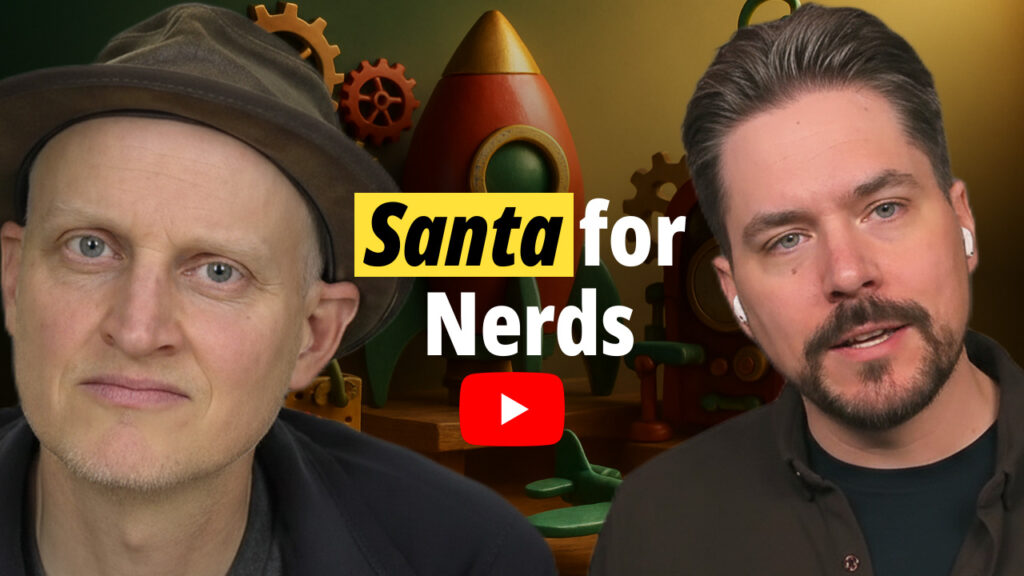
That was my conversation with artist, designer, fabricator, and creative coach Paul Pape — also known online as Santa for Nerds. And if you’ve never heard that name before, trust me, by the end of this, you’ll understand exactly why it fits.

Paul is one of those rare creatives who didn’t just survive the starving-artist narrative — he dismantled it, rebuilt it, and turned it into a thriving 20-year business making custom collectibles for everyone from everyday fans to Disney, Universal, Nickelodeon, and The Tonight Show.

But the part that stuck with me wasn’t the résumé. It was the philosophy behind it.

This is the story of a kid who wanted to be a wizard… and somehow became one.

The Kid Who Wanted to Be a Wizard

When I asked Paul who he was as a kid, he didn’t hesitate.

“I wanted to be a wizard,” he said.

Not an astronaut. Not a firefighter. A wizard.

He was the kid who hid in the library during recess, the kid who devoured fantasy novels, the kid who convinced himself for a full year that he was an elf adopted by humans. And honestly… I get it. Some of us didn’t grow out of imagination — we grew into it.

But imagination alone doesn’t build a career. And like a lot of creatives, Paul hit that moment where the world tried to shrink him down.

For him, it happened in college.

He declared a theater major on day one, ready to become an actor. A year later, the head of acting told him he’d never be cast again because he couldn’t memorize lines.

Most people would’ve quit.

Paul pivoted.

That’s the first theme of his life — and the one I think every creative needs tattooed on their brain:

Bend, don’t break.

The Scenic Designer Who Accidentally Became an Entrepreneur

After being told he’d never act again, Paul threw himself into the backstage world — scenic design, costume design, props. And he was good. Award-winning good. Broadway-adjacent good.

But then he had a conversation that changed everything.

He asked a Broadway designer what it was like being at the top.

The guy told him the truth:
“It sucks.”

Forty-eight weeks a year on the road. Paying rent on an apartment he never saw. Assistants doing all the paperwork. Constant hustle. No stability. No life.

That’s when Paul realized something important:

Success that costs your life isn’t success.

So he bent again.

He didn’t quit creativity — he just stopped forcing it into the shape the industry told him it had to be.

And that’s when the magic started.

The $500,000 Idea That Started with a Greeting Card

While designing a show full of miniature chairs, Paul found himself hand-cutting tiny cardstock furniture for a scale model. Ninety chairs in, he hit the wall every creative knows:

“There has GOT to be a better way.”

Then he saw a greeting card with laser-cut lace.

That moment — that tiny spark of curiosity — turned into his first product: Pop Out Furniture, laser-cut miniature furniture for designers, architects, and dollhouse makers.

It made half a million dollars.

He went from a $19,000-a-year grad student to IRS-audit levels of income overnight.

But here’s the part I love:

When home laser cutters and 3D printers hit the market, Paul didn’t cling to the old model. He didn’t fight the tide.

He bent again.

He let the business go and followed the next thread.

The Sculptor Who Went Viral Before “Going Viral” Was a Thing

Back in Nebraska, teaching at his old university, one of Paul’s students asked him to sculpt a Nintendo Wii avatar as a Valentine’s gift.

He made it. The student posted it on a site called Super Punch. And it blew up.

Suddenly Paul was making thousands of these little avatars by hand. Then Xbox avatars. Then World of Warcraft characters. Then wedding cake toppers. Then custom engagement ring boxes shaped like golden snitches.

Every request was different. Every project was new. Every piece was custom.

And every business expert told him the same thing:

“You can’t build a business on custom work.”

Twenty years later, he’s still proving them wrong.

The Twitch Stream That Turned Into a Calling

After years of working alone in his basement studio, Paul missed people. So he Googled “perform art on camera live” and stumbled onto Twitch.

He started streaming his creative process five days a week. People watched. People asked questions. People wanted to know how he built a creative business that actually worked.

And Paul noticed something:

People don’t value free advice.

They value transformation.

So he shifted again — from maker to mentor.

That’s where his TEDx talk came from. That’s where his coaching practice came from. And that’s where one of my favorite ideas from our conversation came from:

**Creatives don’t make products.

Creatives make magic items.**

The Gamified Mindset Every Creative Needs

Paul teaches creatives to think of their work like items in a role-playing game.

Not mass-produced junk.
Not “just another painting” or “just another book.”

But magic items with rarity levels.

  • A common item is something anyone can make. 
  • An uncommon item takes skill. 
  • A rare item takes mastery. 
  • A legendary item?
    That’s something only you can create. 

And legendary items aren’t cheap.

They’re not supposed to be.

In games, you grind for them. You save for them. You sacrifice for them. Because they change the way you play.

That’s how creatives need to see their work — not as commodities, but as artifacts infused with their soul, their story, their skill, and their irreplaceable perspective.

So What’s the Biggest Mistake Creatives Make?

I asked Paul this directly.

He didn’t hesitate.

“They don’t understand their worth.”

And right behind that:

“They don’t understand the seed of what they’re trying to put out into the world.”

Most creatives think they’re selling a thing.

They’re not.

They’re selling transformation.
Identity.
Emotion.
Memory.
Magic.

When you understand that, everything changes — your pricing, your confidence, your marketing, your posture, your entire creative life.

Final Thoughts: Mowing Your Own Path

Paul’s wife once told him, “You mow your own path.”

I love that.

Some people follow the trail.
Some people get lost in the weeds.
And some people — the ones who bend instead of break — carve out a path no one has ever walked before.

That’s what Paul did.

That’s what he teaches others to do.

And honestly, that’s what every creative needs to learn if they want to stop struggling and start thriving.

Because the world doesn’t need more starving artists.

It needs more wizards.

Learn more about how Paul can help you on your creative journey at: https://www.gamifybusiness.com/

Also, you can listen to the whole interview on my podcast.

Filed Under: Blog

Every once in a while, you do something sneaky. Not illegal-sneaky, not “hide the body” sneaky — more like the creative version of quietly rearranging the living room and hoping nobody notices until they sit down and go, “Huh… this actually works better.”

That’s basically what I just did with one of my old book.

  1. The Journey Of A Hopeful Writer

If you’ve been following my journey from hammer-swinging construction worker to Hollywood-hopeful, you know I’ve written a lot of things over the years. Some good. Some… let’s call them “necessary practice swings.” One of those early practice swings was a little novel I wrote under the pen name B.C. Crow. Back then, I had more enthusiasm than craft, more ideas than structure, and absolutely no business pretending I was a pantser.

But I tried anyway. My series previous to that had been so structured and planned, and I’d heard by great authors like Stephen King, that pantsing, or writing by the seat of your pants, was a fun way to go.

Turns out, it wasn’t as fun or productive for me. I needed a little more outlining, with maybe a little room for veering off the path.

What happened, after a lot of banging my head into the keyboard, was a book people genuinely loved — right up until the ending, where the wheels fell off, the engine caught fire, and the whole thing skidded into a ditch.

Everyone told me the same thing: “Great story… but that ending? What happened?”

And honestly? I didn’t know. I thought I’d foreshadowed it well. I thought it made sense. I thought readers would nod thoughtfully and say, “Ah yes, I see how that happened now!”

They did not.

So I did what any overwhelmed, under-experienced writer does when faced with a problem they don’t know how to fix: I ignored it. I let the book sit out there with its hand-drawn cover (yes, I drew it myself; no, I am not that kind of artist), and I moved on.

But stories have a way of tapping you on the shoulder years later.

As I kept learning, writing, outlining — because let’s be honest, I am not a pantser — I found myself thinking back to that book. And one day, out of nowhere, the ending snapped into focus. Not the ending I had written, but the ending the story should have had all along.

It wasn’t that the original ending was “bad.” It was that it didn’t fit the genre. I’d written a coming-of-age story and then tried to wrap it up like something else entirely. Once I understood the genre expectations, the emotional beats, the arc the protagonist needed to complete… everything clicked.

So I went back.

I didn’t rewrite the whole book — the bones were good — but I rewrote the foreshadowing, the emotional cues, the setup. I aligned the story with the ending it deserved. And suddenly, the book felt right. Clean. Natural. Like it had finally grown into itself.

  1. And that’s when I decided: This one deserves a second chance.

So I re-released it. Quietly. No big marketing push. No dramatic countdown. Just a simple, “Hey, this thing exists again, and it’s better now.”

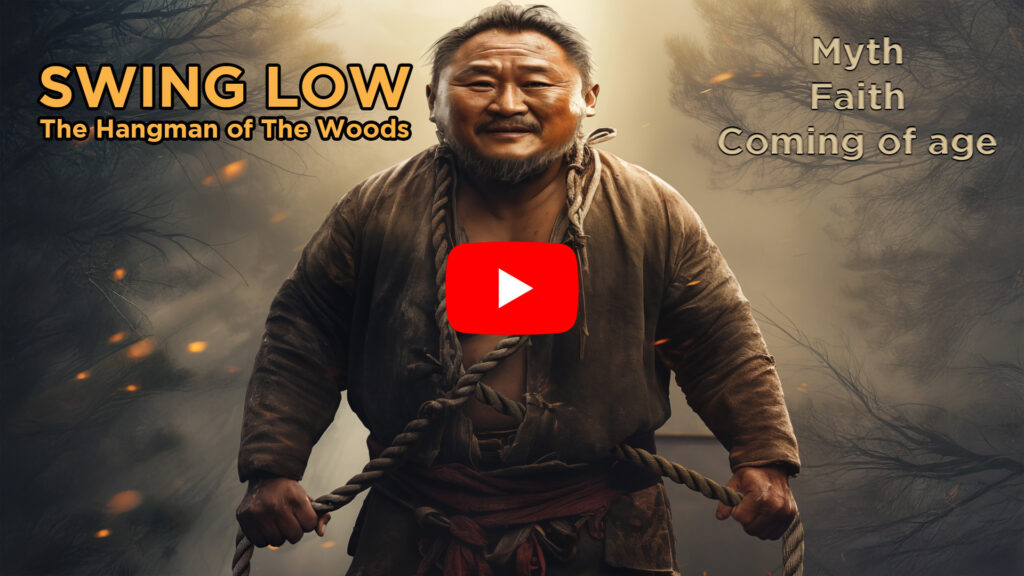
The book is called Swing Low: The Hangman of the Woods, and it’s a coming-of-age story wrapped in a myth, wrapped in a journey, wrapped in a little bit of fear and a whole lot of heart. It follows a young man named Iddo — a soft-hearted journalism student who really wants to go into medicine — as he crosses a haunted forest to reach the medical school on the other side. Along the way, he meets witches, legends, and of course, the Hangman himself.

But the real story isn’t about monsters in the woods.
It’s about the monsters inside us — fear, doubt, hunger, hope — and what it takes to walk through them.

Revisiting this book reminded me of something every creative eventually learns:

  1. Your old work isn’t a failure.

And sometimes, when you’ve grown enough, you get the rare chance to go back and finish the sentence you didn’t know how to write the first time.

This is what happened with this novel. Who knows, maybe one day, I’ll even revisit my Nephilim Series and put a little more of my learned craft back into those books also. But I’ll wait for that inspiration to hit later, if at all.

So if you want to see what that journey looks like — for Iddo, and maybe a little bit for me — check out the new edition. And if you do, leave a review. It helps more than you know.

And stay tuned. Because in March, the first novel in my Gearlock series, Hard-Boiled Cabbage, is coming. And that one? Oh, I’m ready for you to read it.

Filed Under: Blog

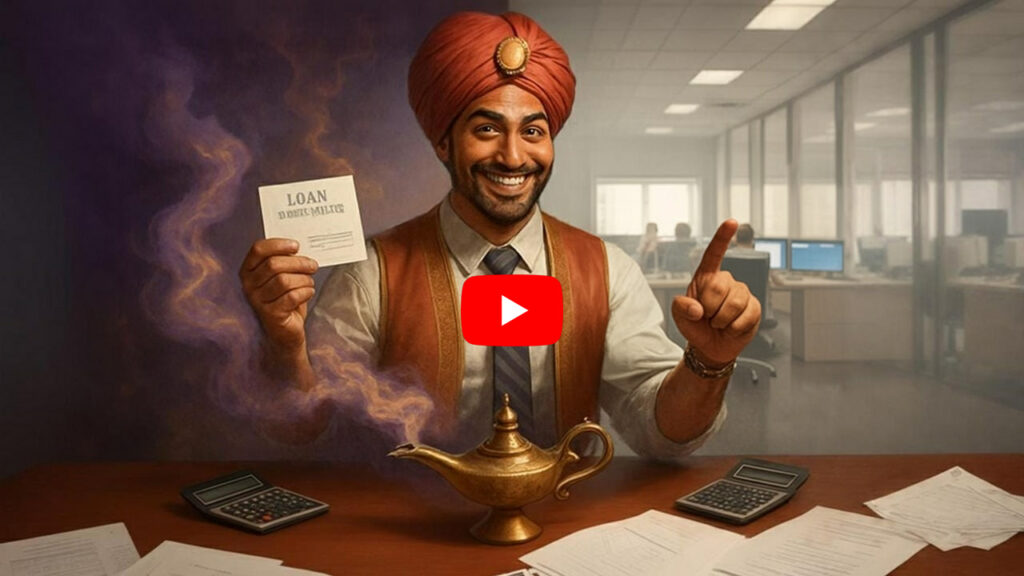
We love to slap labels on things. Debt? Oh, that’s “bad.” Or wait, maybe it’s “good” if you’re building credit. Or “ugly” when it spirals out of control. But here’s the truth: debt isn’t a moral character in your latest novel. It doesn’t wake up in the morning plotting against you.

In fact, and this is where the debt can truly be vilified, it doesn’t even sleep at all. Nope. It lives as long as you have it, eating up your interest every minute of every day.

But debt is a tool, a neutral, silent, thing, buried in your shed, waiting for the right job to be wielded. The real question is whether you’re the kind of craftsman who knows how to build without cutting off your own fingers.

Debt teaches us timeless lessons, like how cash flow must be guarded, multiplied, and directed wisely. Borrow unwisely, and you become servant to the lender. Borrow strategically, and you can build something bigger than yourself.

Let’s break it down.

  1. When Is Debt Bad

When I first started college, I was terrified of debt. I remember getting my first credit card and felt like I was sinning. I knew there wasn’t anything inherently wrong with that little piece of plastic, as long as I paid it off every month, treating it more like a checkbook than a loan, but it still sent chills up my spine, making me wonder if I was ready for the thing.

As it turns out, I was. But I was careful with how I spent my money. I didn’t use the card if I didn’t have the money to pay it off. To me, the card represented a tool that made spending the money I already had more accessible. Rather than buying stuff I couldn’t yet afford. And there’s the rub. Debt turns sour when it’s used to chase stuff.

  • The shiny car that loses value the moment you drive it off the lot. 
  • The vacation you couldn’t afford but slapped on a credit card anyway. 
  • The gadgets, clothes, or “status symbols” that drain your wallet faster than they add joy. 
  • Honestly, even your house, if you’re not careful.

This is debt as a trap. It’s the kind of borrowing that enslaves rather than empowers. Proverbs warns: “The borrower is servant to the lender.” It fools you into thinking you have more than you do, so you spend more than you should, and end up shackling yourself in the long run.

Why is this bad? Because you’re financing liabilities, not assets. Liabilities take money out of your pocket every month. Assets put money in. If your debt is feeding liabilities, you’re digging a hole that gets deeper with every interest payment.

Think of it like planting seeds in concrete. No matter how much fertilizer you buy and put on it, nothing grows.

  1. When Is Debt Good

Now, let’s flip the script. Debt can be a lever. Remember those physics lessons from grade school? Apply a little pressure on the end of a long stick and you can move a mountain…

  • A mortgage on a rental property that generates monthly cash flow is good.
  • A small business loan that funds equipment, marketing, or expansion — investments that return more than they cost is usually worth the loan. 
  • Student loans (used wisely) that increase your earning potential over a lifetime could do the trick too, though I might urge a little caution on this point, as the subject you’re studying must be one that justifies the loan. Plus, I think there are plenty of options for funding schooling without going into debt. I’ll share with you some other time how I got both my bachelors degree and my MBA without going into debt. 

To my point, debt can be an accelerant. It’s like fire: dangerous if uncontrolled, but powerful when harnessed. Money should be put to work, never hoarded. Debt, when tied to productive assets, is simply borrowed money put to work on your behalf.

The key difference is Cash Flow. If the borrowed money creates more income than the cost of borrowing, debt becomes a partner, not a predator.

  1. Why Debt Is More of a Tool

Let’s stop moralizing debt as “good” or “bad.” It’s neither. It’s a hammer.

  • In the hands of a skilled builder, a hammer constructs homes. 
  • In the hands of the careless, it smashes thumbs. 

Debt is the same. It’s neutral until you decide how to use it.

This perspective frees you from guilt. Too many people carry shame about debt, as if it defines their worth. But shame doesn’t pay bills. Wisdom does.

That principle of shame is still perpetuated today, and for good reason. A lot of people out there don’t have the wisdom to use debt correctly. They not only are likely, but are guaranteed to hurt themselves with it. For those people, the preaching of debt being dangerous is true. Dave Ramsey is one such architect of this philosophy. He provides an essential service to save people from themselves. And for those people who need his advice, he is truly a God-send.

But he only tells half the story. The other half of the story is told by those who have learned to use debt responsibly. If debt helps you keep more money by building assets, creating income streams, or multiplying your resources, it’s serving its purpose. If debt drains what you earn, it’s misused.

  1. How to Safely Use Debt to Finance Your Future

So how do you wield this tool without losing a hand?

  1. Borrow for Assets, Not Stuff
    • Assets generate income or appreciate in value. 
    • Stuff depreciates, breaks, or gathers dust. 
  2. Run the Numbers Like a Ruthless Accountant
    • If the return on investment (ROI) doesn’t exceed the interest rate, walk away. 
    • Example: Borrowing at 6% to invest in something that yields 12%? Smart. Borrowing at 18% to buy sneakers? Foolish. 
  3. Keep Margin for Error
    • Life throws curveballs. Don’t max out your borrowing capacity. Leave room for downturns, vacancies, or unexpected expenses. 
  4. Align Debt With Purpose
    • Debt should serve your mission, not distract from it. If your goal is financial freedom, every loan should move you closer, not farther. 
  5. Pay Attention to Cash Flow, Not Just Value
    • A house that appreciates is nice. A house that pays you rent every month is better. Cash flow is king. 
  6. Avoid Emotional Borrowing 
  • Debt decisions made in the heat of desire (“I deserve this now”) almost always backfire. Cool heads make wise choices. 

A Modern Parable

Imagine two friends. One borrows $20,000 to buy a car that loses half its value in five years. The other borrows $20,000 to buy equipment for a landscaping business that nets $2,000 a month.

Same debt. Different outcomes. One is chained to payments with nothing to show. The other builds a business, pays off the loan, and owns equipment that continues to generate income.

Debt didn’t decide their fate. Their choices did.

  1. Final Thoughts: Debt as a Servant, Not a Master

Debt is neither angel nor demon. It’s a servant waiting for orders. The danger comes when we forget who’s supposed to be in charge.

Used wisely, debt can accelerate dreams, build businesses, and create generational wealth. Used foolishly, it enslaves, suffocates, and steals peace of mind.

So the next time you hear someone declare debt “good” or “bad,” smile knowingly. Debt is none of the above. It’s a tool. And like any tool, it demands skill, discipline, and purpose.

Filed Under: Blog

Every once in a while, I sit down with someone who reminds me why I started this whole “hammer to Hollywood” journey in the first place. Someone who embodies the messy, beautiful, stubborn heart of creativity. Someone who proves that the path from struggling artist to working creative is rarely straight, never predictable, and always worth walking.

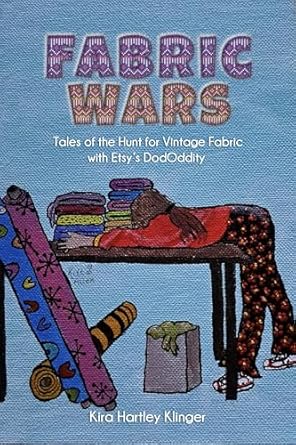
That someone, this week, was Kira Hartley-Klinger.

If you don’t know Kira yet, she’s a longtime online shop owner, the author of the Fabric Wars series, a storyteller with four decades of writing behind her, and a woman who has lived enough life to fill a dozen memoirs. She’s also the kind of person who can make you laugh, make you think, and make you want to go build something meaningful — all in the same conversation.

This is the story of our conversation, and the lessons I walked away with.

The Writer Who Never Stopped Being a Writer

Some people spend their whole lives trying to figure out what they want to be. Kira wasn’t one of them.

From the time she could hold a typewriter (yes, a manual typewriter — the kind that punishes typos like a vengeful god), she knew she wanted to write. Her first masterpiece was a Nancy-Drew-inspired mystery about a strange light coming from the bathroom floor. She made it a page and a half before hitting her first case of writer’s block.

Relatable.

But the desire never left. Even as life pulled her in different directions — marriage, kids, work, survival — the writing stayed. It was the constant thread.

And honestly, that’s something I think a lot of creatives forget:
If the desire stays, the path is still open.

Rejection, Resilience, and Junk Mail Tuesdays

Kira’s early writing career reads like a masterclass in resilience.

She queried magazines by snail mail. She stalked the mailman like a hawk. She learned that Tuesdays were “junk mail days” — meaning no rejections, but also no acceptances. She wrote four full novels, landed an agent, and even got a manuscript in front of a major editor at Warner Books… who held it for a year before saying no.

A year.

Most people would have quit. Kira didn’t. She just kept adjusting.

And that’s one of the biggest takeaways from her story:

No doesn’t mean never.
Sometimes it just means not this way.

From Cleaning Houses to Selling Fabric to Writing Books

Life forced Kira to pivot more times than a YouTube algorithm.

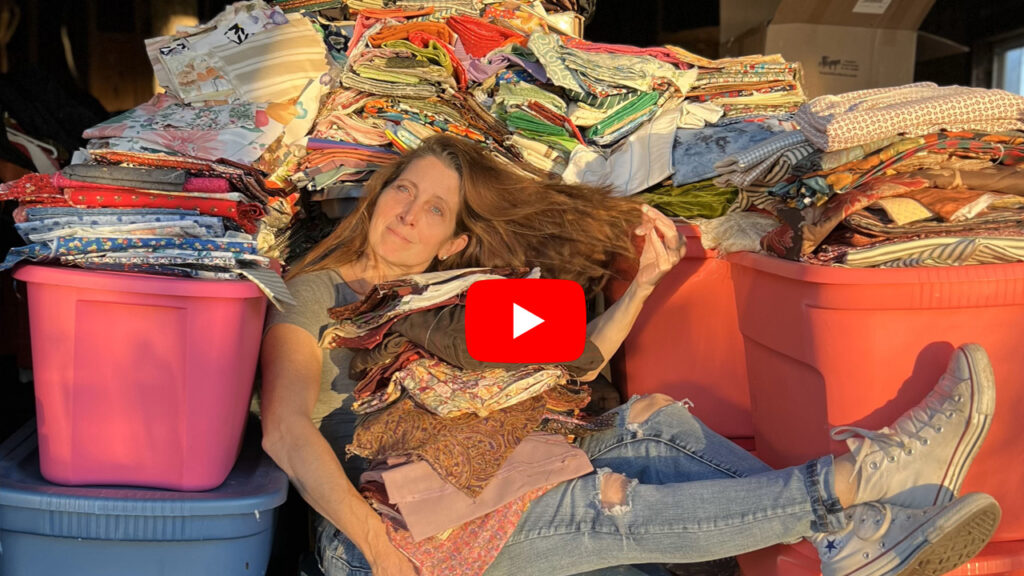
She cleaned houses for 20 years while raising her kids. She worked playground duty at a school. She dabbled in eBay when eBay was still the Wild West. And then one day, she bought a pile of unwanted fabric at an estate auction.

That fabric changed everything.

She started selling textiles online. Then she opened a dedicated Etsy shop — Dodd Oddity, named after her grandfather — and suddenly she had a community. Quilters, sewists, crafters… people who cared about the stories behind the scraps.

And that’s when something clicked.

Kira realized she wasn’t just selling fabric.
She was selling stories.

She started writing little narratives in her listings — where the fabric came from, who owned it, what the auction was like. People loved it. They asked for more. They told her to write a book.

After 40 years of chasing publication, the audience she’d been searching for finally found her.

There’s a lesson in that too:

Sometimes your creative breakthrough doesn’t come from the direction you were aiming.
Sometimes it sneaks in through the side door.

The Power of Human Connection (and Why AI Can’t Replace It)

One of my favorite moments in our conversation was when Kira talked about a customer who bought a piece of fabric and said she could still smell the perfume of the woman who originally owned it.

Most sellers would panic.
Kira paused — and then realized something important:

People don’t just want products.
They want connection.

That’s why her books work.
That’s why her shop works.
That’s why her stories resonate.

And it’s why she refuses to use AI in her business — not because she’s anti-technology, but because she’s fiercely pro-human.

As someone who uses AI as a tool but still believes deeply in human creativity, I get that. Tools are tools. But connection? That’s the real currency.

Camp Klinger, Arlo the Bus, and the Legacy We Leave Behind

If you think Kira’s life is all auctions and Etsy, buckle up.

She and her husband run a five-acre hobby farm in rural Ohio. They host “Camp Klinger” every summer for their eight grandkids — complete with kayaks, horses, a pond, and a fully decked-out Scooby-Doo-style camp bus named Arlo.

And yes, she wrote a children’s book about the bus.

But what struck me most wasn’t the bus or the farm or the chaos of eight grandkids running around. It was this:

Kira is intentional about the legacy she’s building.

She’s not chasing money.
She’s not chasing fame.
She’s chasing meaning.

She told me something that stuck with me:

“The older I get, the more I think about what I’m leaving behind.”

That hit me. Hard.

Because isn’t that what all of us creatives are really doing?
Trying to leave something behind that matters?

Making Your Own Luck

Toward the end of our conversation, I asked Kira about creating your own luck — something I talk about a lot on my show.

Her answer was simple and brilliant:

Hold tight to your core wants.
Be flexible with everything else.

She never compromised on being present for her kids.
She never let go of writing.
But she was willing to pivot — again and again — to make life work.

That’s how she built her business.
That’s how she wrote her books.
That’s how she ended up with a reality-TV producer buying a $3 scrap of fabric and emailing her about a show.

Luck?
Maybe.
But also… not really.

Luck favors the persistent.
Luck favors the adaptable.
Luck favors the people who keep showing up.

Final Thoughts

Talking with Kira reminded me why I love doing this podcast. She’s proof that creativity isn’t a straight line — it’s a winding, unpredictable, sometimes ridiculous journey filled with detours, setbacks, and unexpected wins.

She’s also proof that:

  • Stories matter 
  • People matter 
  • Persistence matters 
  • And the creative life is worth fighting for 

If you haven’t checked out her books, her shop, or her children’s series, do it. Not because she needs the sales — but because her work is a reminder of what creativity looks like when it’s lived fully, honestly, and with heart.

And honestly?
We could all use a little more of that.

To hear the full interview, check out my podcast or visit me on YouTube.

Don’t forget to pick up your copy of Fabric Wars by Kira Klinger, and you can visit her online shop at: https://www.etsy.com/shop/DodOddity

Filed Under: Blog

  • 1
  • 2
  • 3
  • …
  • 8
  • Next Page »

Recent Posts

  • How Russell Van Brocklen Turned Dyslexia Into a Creative Superpower: Tactical Lessons for Creatives
  • If Life Has Felt a Little Too Weird Lately… You Might Need This Book
  • What a Cop-Turned-Author Taught Me About Not Being a Struggling Artist
  • From Hammer to Hollywood: What Max Shippee Taught Me About Story, Survival, and the Creative Life
  • From Hammer to Human Connection: What I Learned Talking with Wes Towers

About Me

The art of storytelling has always fascinated me. When I think back and imagine a world before modern media, I imagine a parent entertaining their kids around the hearth with fantastic tales true and/or whimsical. Never mind the accuracy of this vision, it’s the way I choose to think of it. It’s also the inspiration for my work, to tell stories that captivate, stories that the whole family can enjoy together.

Contact Us

Menu

  • B-Roll
  • Books
  • Videos
  • About
  • Contact

Recent Posts

  • How Russell Van Brocklen Turned Dyslexia Into a Creative Superpower: Tactical Lessons for Creatives
  • If Life Has Felt a Little Too Weird Lately… You Might Need This Book
  • What a Cop-Turned-Author Taught Me About Not Being a Struggling Artist
  • From Hammer to Hollywood: What Max Shippee Taught Me About Story, Survival, and the Creative Life
  • From Hammer to Human Connection: What I Learned Talking with Wes Towers

Blog Updates


  • YouTube

Copyright © 2025. All Rights Reserved. Light Minded Arts

2026

Light Minded Arts

All Rights Reserved

Site by PDM